IN SHORT
- Fit means the space, the lid, the rail and the way in. An empty box is only part of it.
- Three ways to show us the space: you measure it, you send three top-down photos of the frame, or you send the size of the dead battery.
- Send the bike model, both labels and the plug up close, and ask before you order.
Which version you got?
Ji-Move, Eco Drive or Fiido, send us the full model and the version. Not sure? A clear photo of the model label beats a confident guess. The bike’s name alone doesn’t tell us the fit.
Changed the controller, motor or wiring before? Say so. We check the bike as it is now.
Box fits, still must come out
Eyeball the empty space, say can, and you end up with a battery that fits until the lid goes on. Check length, width and height, plus the rail, the lock and the cable exit. Battery fits the space, then the lid says no and the rail says good luck sliding me out. One of ours keeps the stock lid and lock: This one Light Bee, not Bubble Tea.
The opening counts too. It can be smaller than the space behind it, and the battery needs clearance to go in and come out, plus room for the cable and the connector.
Three ways to show us the space
Pick the one that sounds like you. The photo examples for each sit under Check 1 on the Battery Buying Guides page.
1. You measure it
Draw the space and write every length, width and height on it, in millimetres. Mark anything that sticks in: rail, brackets, fixing holes. Leave room for the lid, the lock and the movement it takes to get the battery out, and show where the cable and connector need room. Keep the battery closed. We’re measuring the space around it. No need to win a design award, just make clear which measurement belongs to which edge.
2. We trace it from your photos
Measuring isn’t your thing? Send three photos of the frame, each flat and top-down, with a tape measure laid in the shot for scale. Start with one wide view so we know which space you mean, then get close enough for the tape marks to show. We trace the inside of the frame over your photos, then design the battery to fit it.
3. The old battery is dead
Measure its length, width and height and send us the three numbers. Hook the tape hard against the edge so the reading starts at zero. If it’s already safely out, photograph it beside the space with the rail and the connector end showing. Don’t remove or handle a damaged pack just to take that photo.
Can’t reach a corner? Don’t guess. Tell us what you couldn’t measure and send the clearest view you’ve got.
Examples of each: Check 1 on the Battery Buying Guides page
One length and width won’t do
A frame corner and the lid can turn a simple rectangle into a very different shape. If your space is stepped or T-shaped, draw the whole outline and mark each section’s length, width and height in millimetres. Brackets, locks and narrow openings go on the drawing too.
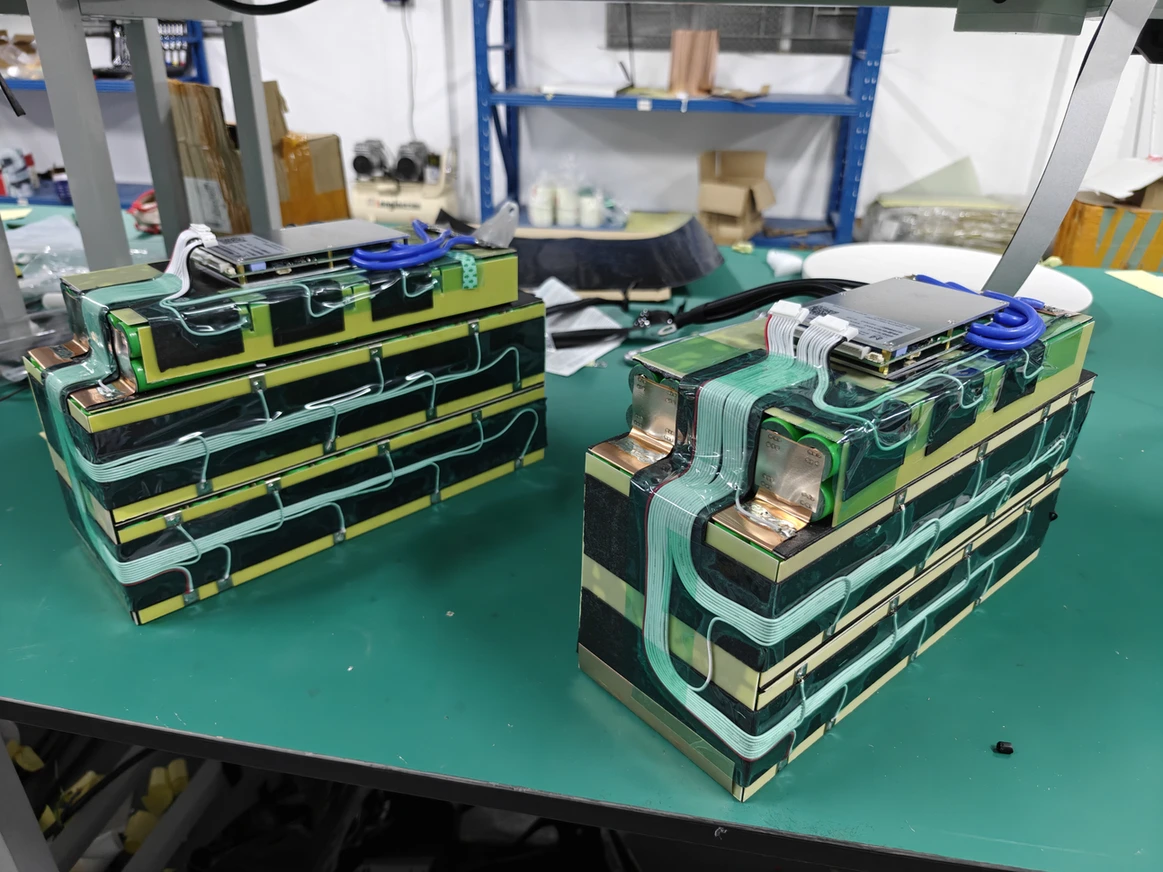
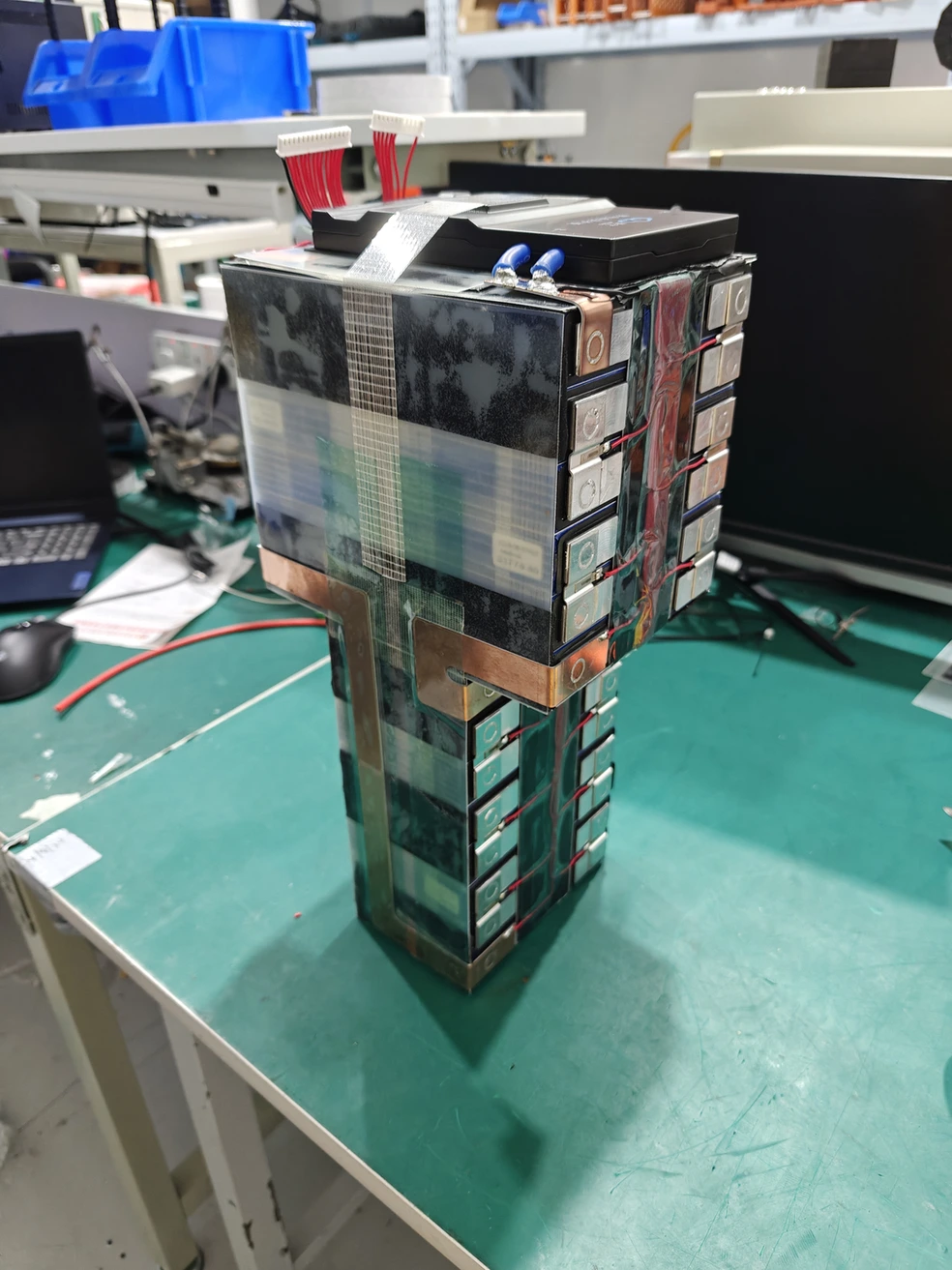
The stepped pair shows the outline before any outside case goes on, with the boards and cables taking their own room above the cells. The T-shaped one needs a width for the wide block and another for the narrow leg. One overall width can’t describe both. Both are archive builds, examples of the problem and not a fit for every bike. A bay that narrows towards the bottom is the same problem: V-shaped bay, V-shaped battery shows how we drew it.
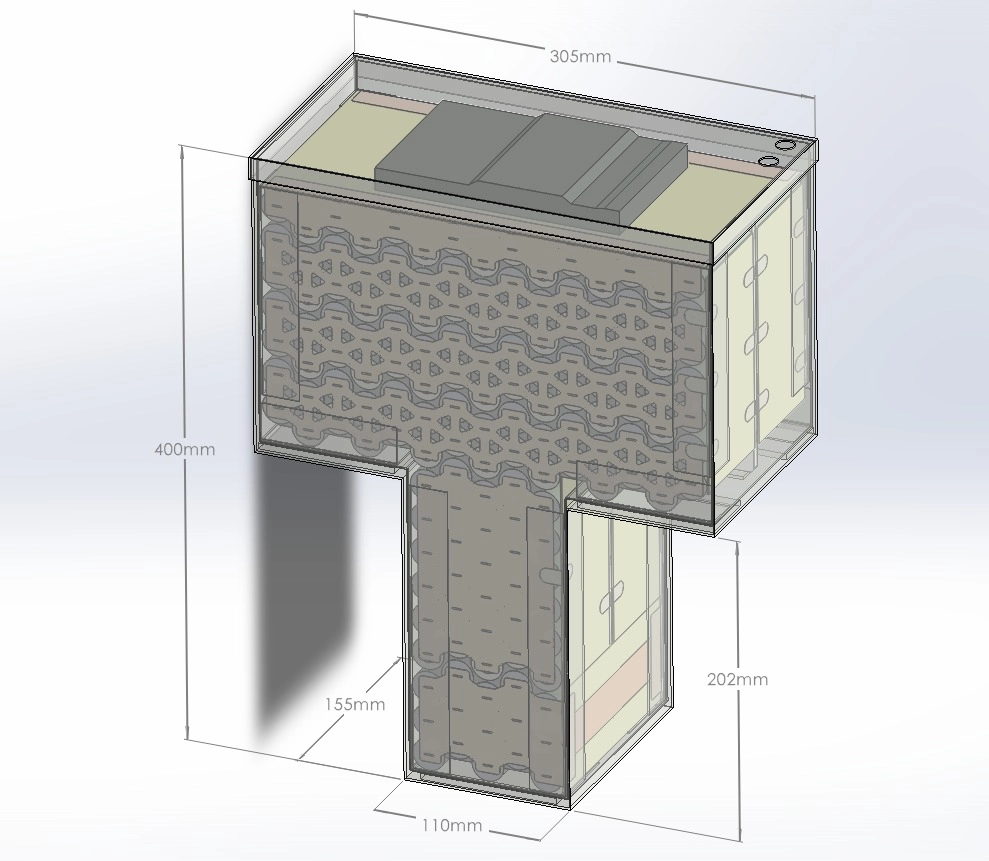
Shape matches and it can still kena stuck at the opening. A finished pack still has to get into its compartment, so show us the opening, the brackets and anything the battery has to pass before it reaches its final position, with one wide photo and the dimensions at each level.
Outside size can bluff. Inside the case, the holder locates the cells, insulating sheets separate nearby parts, and busbars, terminal tabs, the BMS and cable bends each need room. See how the layers fit together in the workshop.
Mounting outside the frame?
For an external battery, show us where it will sit before you tell us the size. Send a wide view with the spot clear, then the brackets, rail or fixing points, any moving parts nearby, and any lid, lock or panel that affects access. “Somewhere here” is where we start. It isn’t a mounting plan.
The plug needs a way to reach too. Take close photos from the proposed battery position to the connection, show both mating connectors, and tell us about any adapter or wiring change.
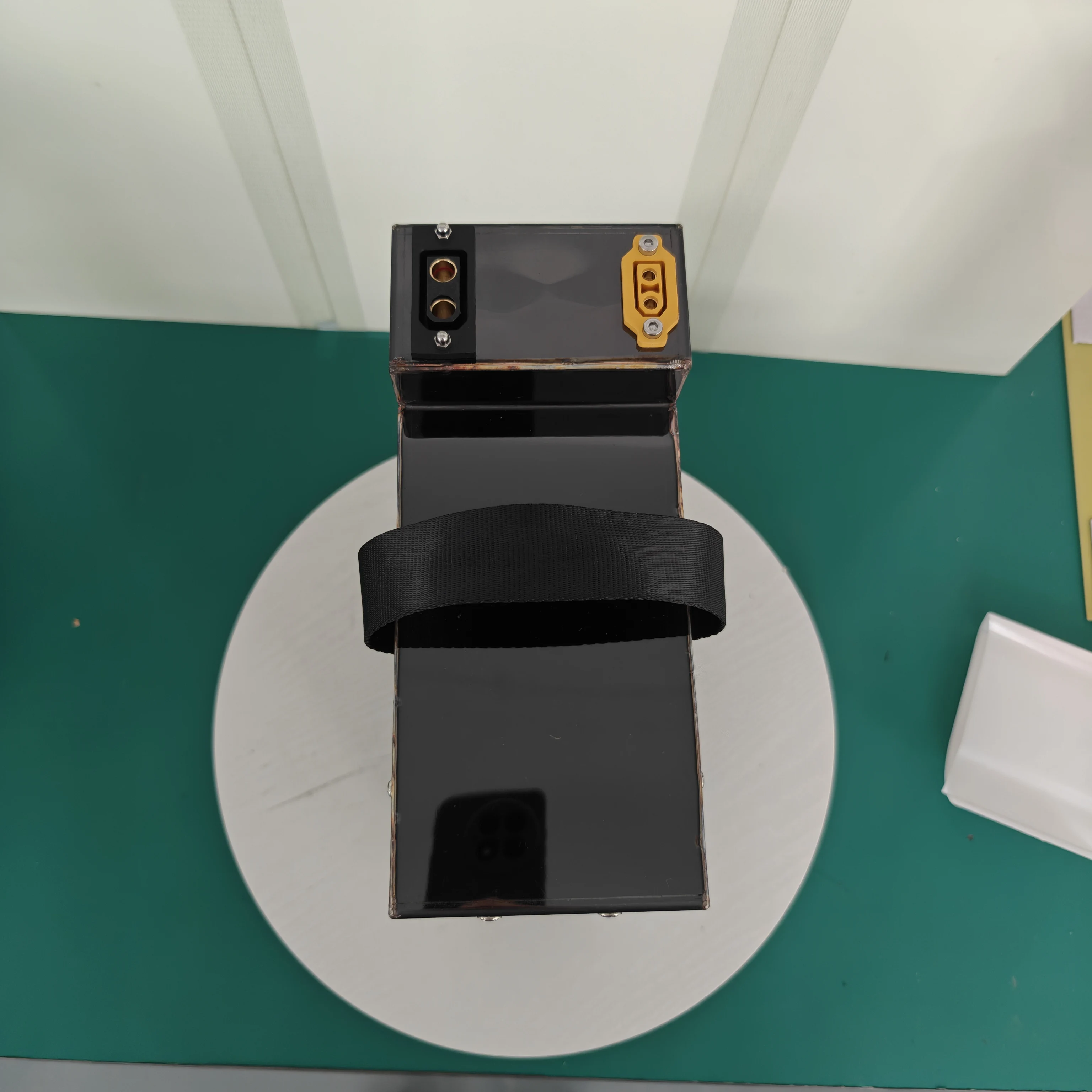
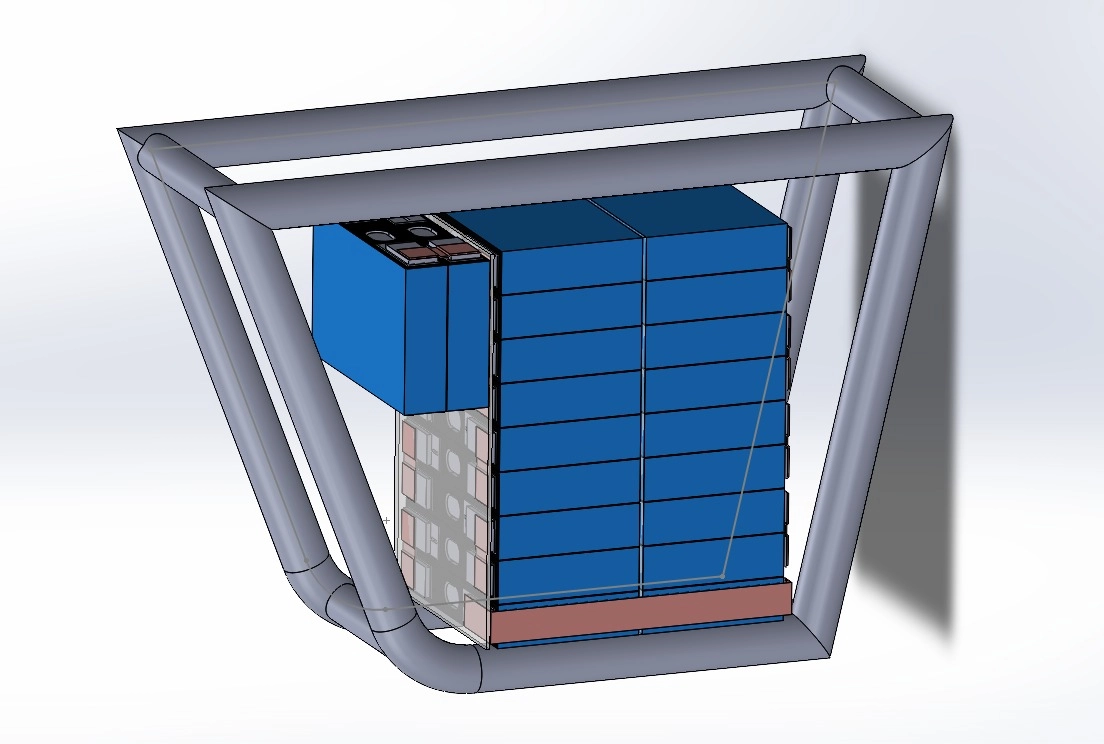
A photo can’t confirm mounting strength or electrical compatibility. We go through the space and the requirements from what you send. For a Singapore PAB, check LTA’s requirements before you change the approved setup. A battery that fits the frame isn’t road or path approval. LTA Power-Assisted Bicycle requirements
Make the camera earn its keep
Send photos first, so we can see what you’re asking about.
- The whole bike, and its model label.
- The whole battery, with its shape, cable exits and connector in view. Then its label and its connector in separate shots.
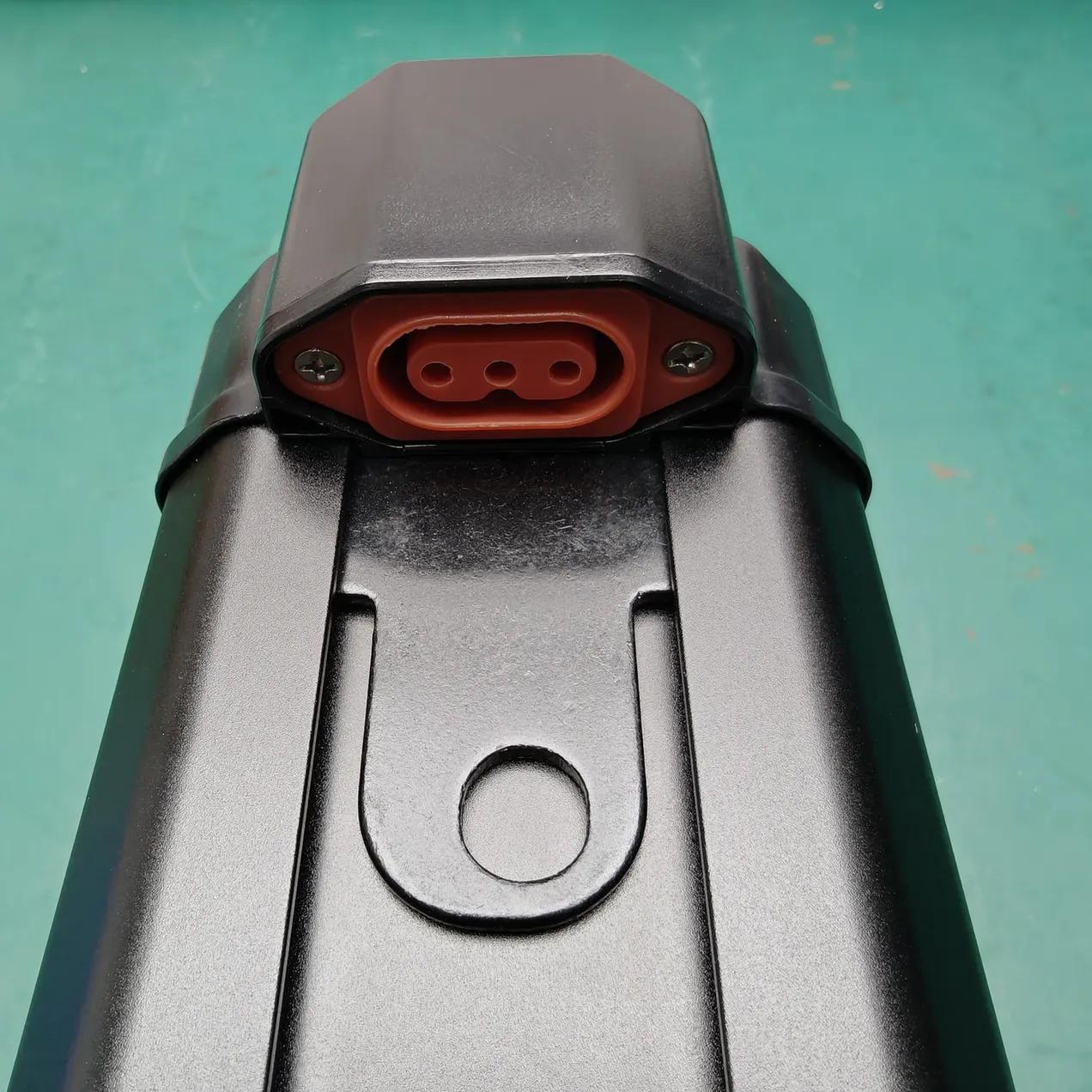
- The connector face close up, so we can see the contact layout. Then one side view for the latch, the casing shape and the cable exit, and the bike-side connector that mates with it.
- The charger label with the output voltage and current, the charger’s output connector, and any adapter in between. Same plug, different charger? says why.
- For a custom or changed setup, the controller and motor labels too.
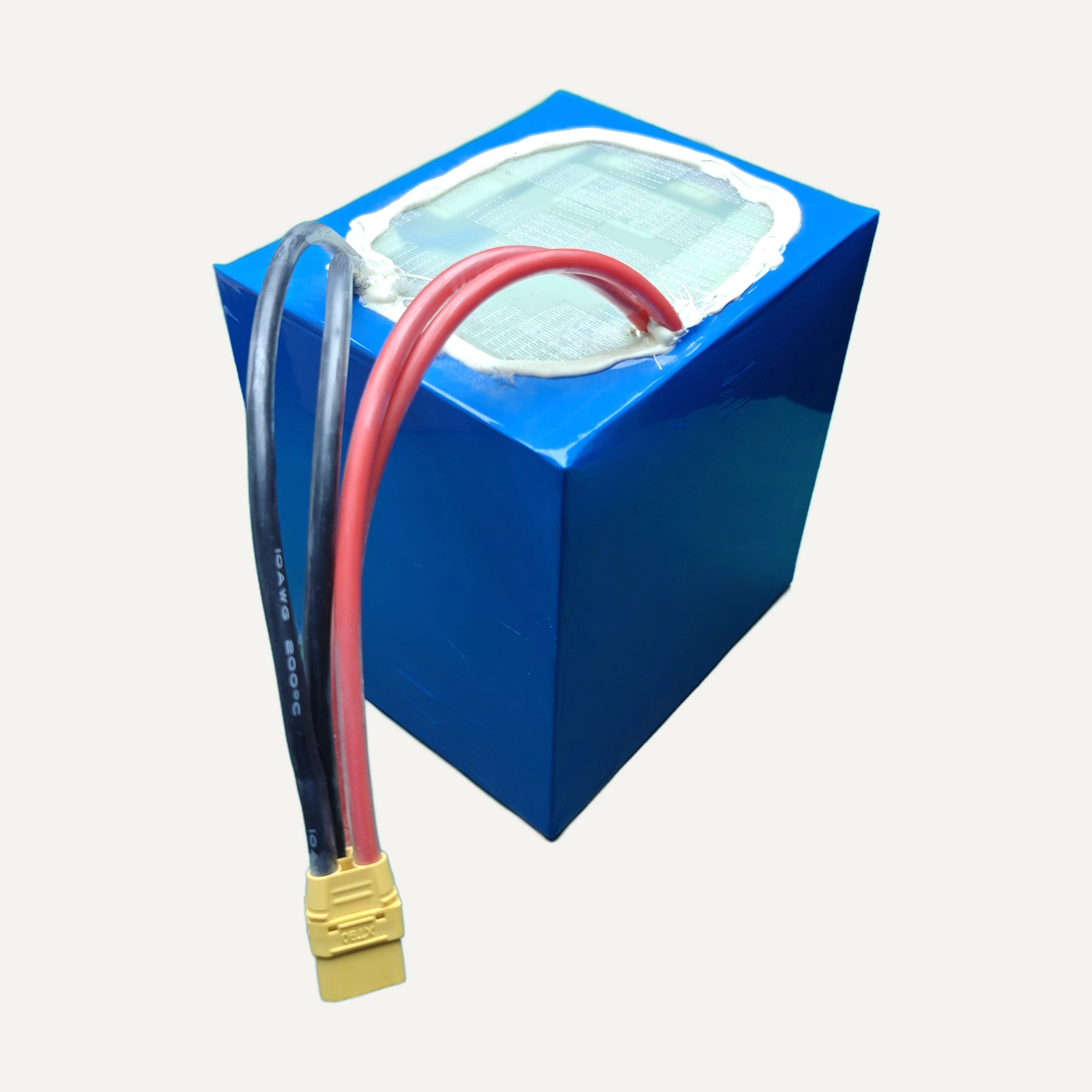
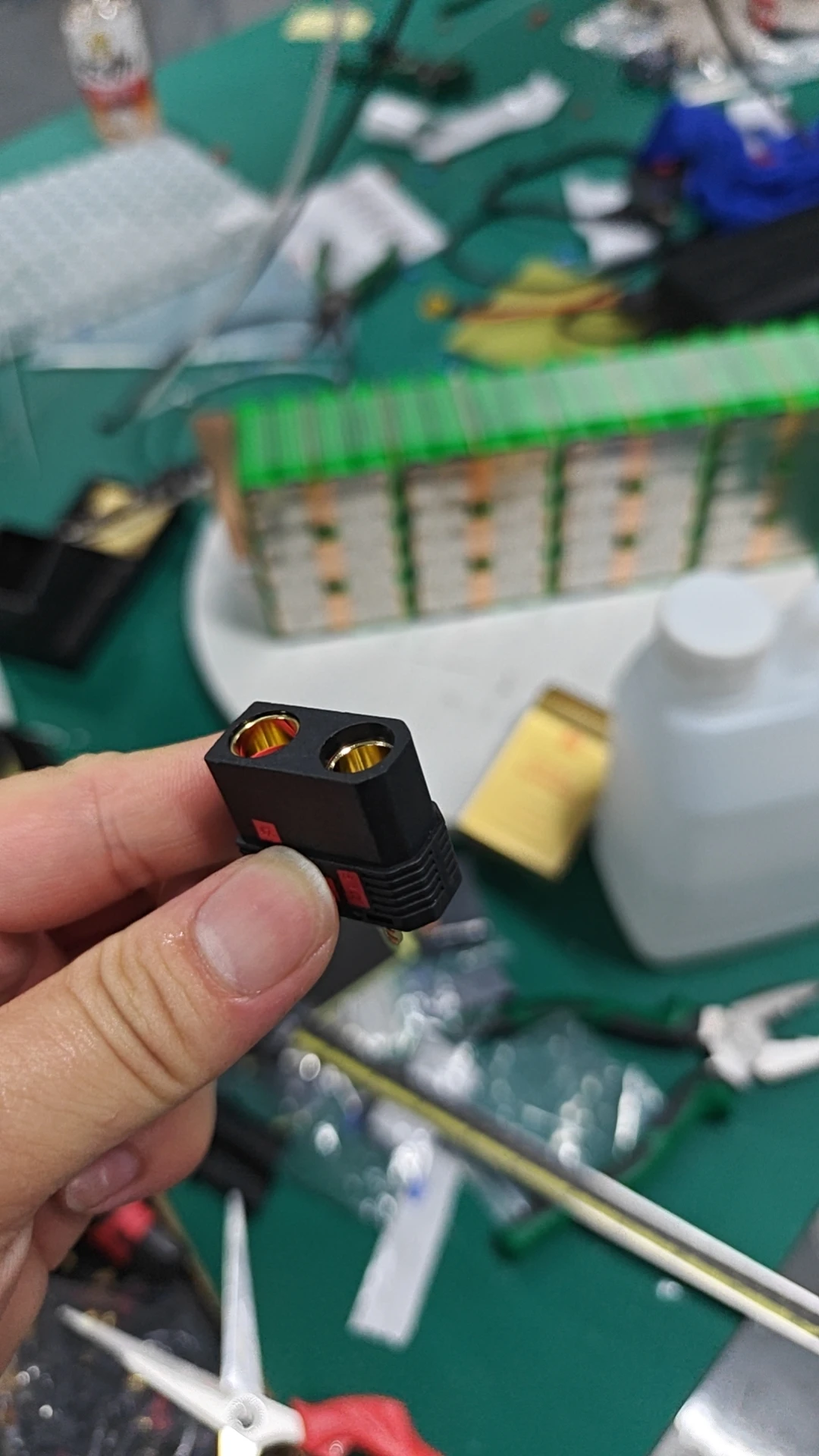
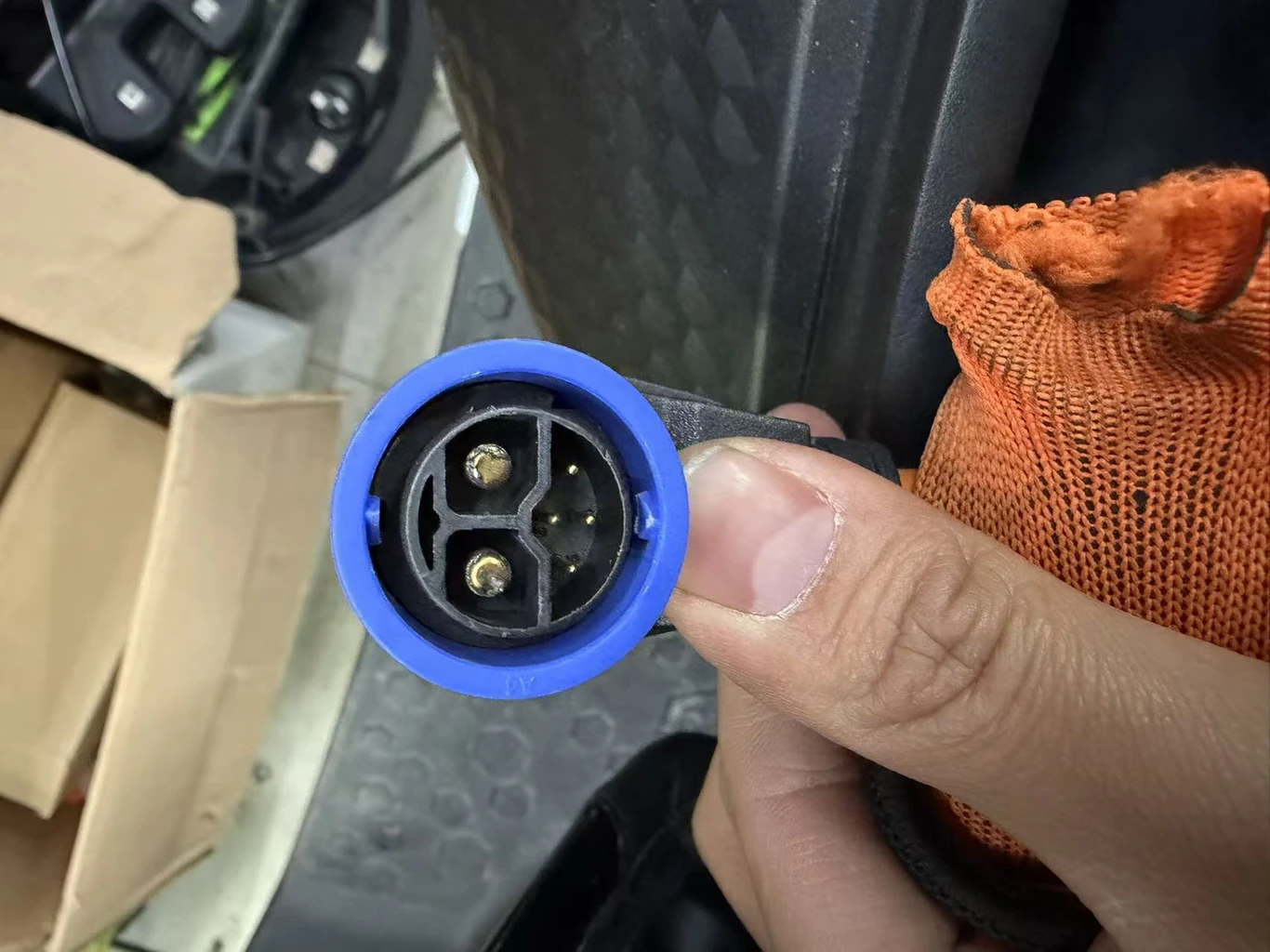
Battery stays closed and wiring stays untouched. Only photograph what you can safely reach. No poking at the pins and no testing with another plug, we want photos, not plug Olympics.
Check each photo before you send it. Can you read the label yourself? If not, we probably can’t either. Give the camera some light and keep your hand steady, and tell us which photo is the bike, the battery or the charger. Label worn off, or a rating you don’t know? Say so, and keep the label in the photo instead of guessing. Don’t pick the nearest-looking model and announce case closed. Missing one? Send what you’ve got and say what’s missing. No need to write us a thesis.
Shape settled? Electricals still need a look
Capacity can’t settle the shape, and the shape can’t settle the electricals. We look at both together, from the bike or equipment model, the labels, the connector photos and, if parts have changed, the controller and motor details.
Once the details are clear, Custom Battery lets you choose options and see the total. Put the dimensions and size limits in the order notes, and message us before you order if the fit is still unclear. Reading the label: V, Ah, A and the cell model explains the numbers on the labels you send.
Ready to send the details?