IN SHORT
- V comes as two numbers on one battery, nominal and full charge. Keep both.
- Ah is capacity, not distance. A needs a question: which current, and for how long?
- Read the whole cell model, letters included. A pile of cells isn’t a bike battery.
Listings throw V, Ah and A around as if they were one number. The table is the short version. The sections after it say what to ask of each.
| Marking | What it describes |
|---|---|
| V | Voltage. Keep nominal and full-charge values distinct. |
| Ah | Charge capacity. It is not a guaranteed distance. |
| A | Current. Ask which part, conditions and duration the rating refers to. |
| Cell model | The maker’s marking on the cell. Compare the full code, the dimensions and the listed specification. |
V: nominal and full charge
Your bike and its charger each have their own electrical spec, so a higher voltage isn’t an upgrade you can drop in. One battery gives two voltage figures, nominal and full charge. They sit close together and they are different numbers. Keep both where they’re listed, and don’t swap one for the other when you compare labels.
A 72V pack, for example, charges to 84.0V, and a charger made for it has 84.0V printed as its output. Same plug, different charger? shows two labels side by side.
A 20S pack is 20 groups of cells in series, each charged to 4.2V, so 84V at full charge.
Ah: capacity, not distance
Ah is charge capacity and that is all it tells you. It doesn’t say whether the case fits, and it doesn’t promise how far your bike goes.
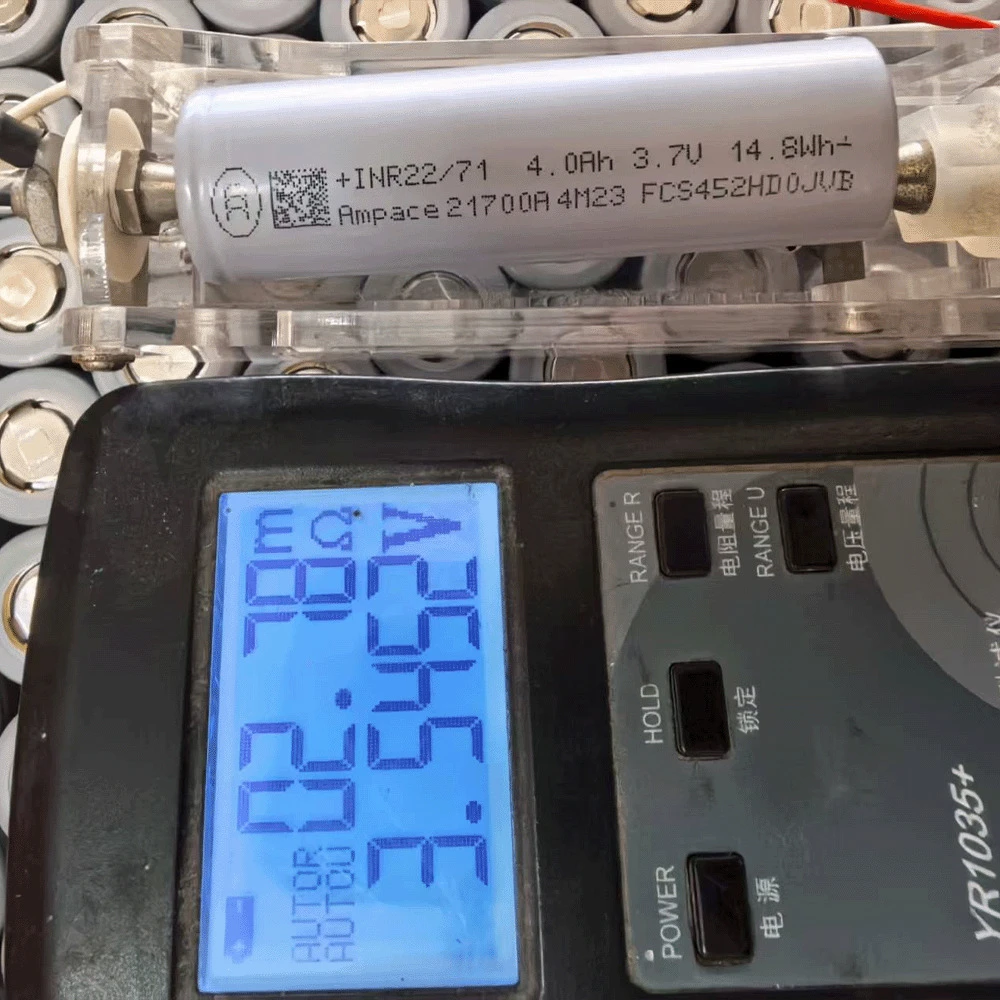
The cell at the top of the page is printed 4.0Ah, 3.7V and 14.8Wh. Multiply 4.0 by 3.7 and you get the 14.8, so Wh is Ah and V together. Same Ah on two listings doesn’t make the batteries the same. Keep voltage, dimensions, connection and the rest of the specification beside it.
A: which current?
Amps are current, and the number gets thrown around with no context. Ask which current it is: charging, battery discharge or a controller setting. “80A” on its own leaves half the conversation missing. Keep the original label or specification with the number, and whether it is continuous or peak.
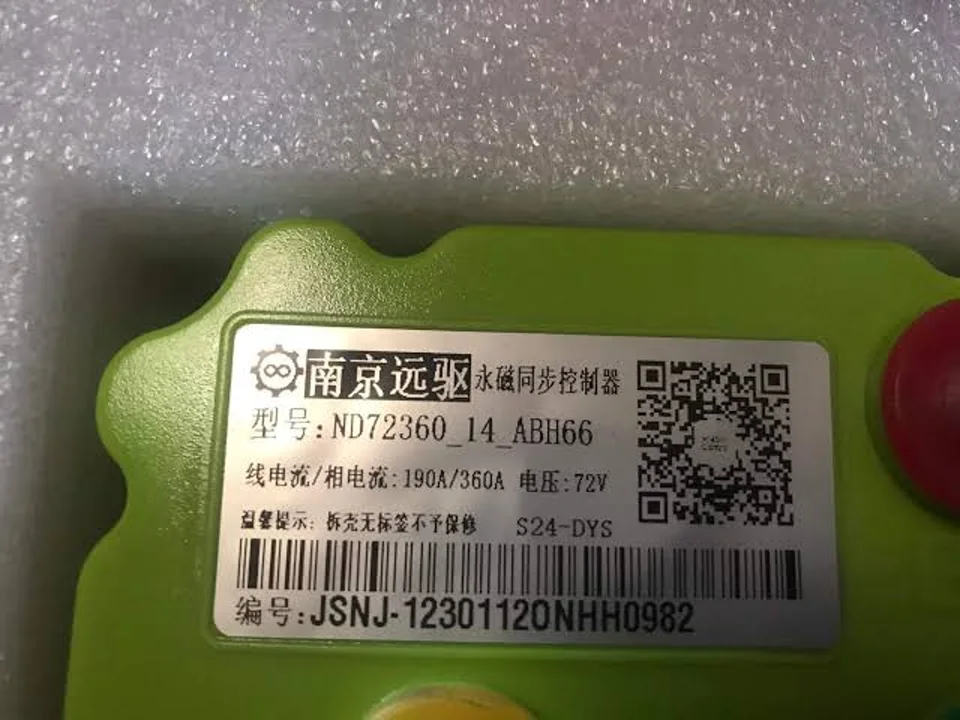
A big number printed on the BMS isn’t the rating of the whole pack either. The cells and the rest of the assembly still matter. Big number on the BMS. What about the rest of the battery? goes through it.
Cell model: the letters count
The cell at the top carries its own marking, with the ratings on one line and the maker’s marking on the next. The letters after the number count too, so compare the full model marking, the dimensions and the listed specification. Wrapper colour can’t identify a cell.
Want us to check one? Take a clear photo of the marking and tell us what it is for. If part of the code is unreadable, say so instead of choosing the nearest-looking model.
A pile of cells isn’t a bike battery
A loose cell and a battery for your bike are different things. A complete pack also needs the appropriate connections, protection, wiring, insulation and enclosure.
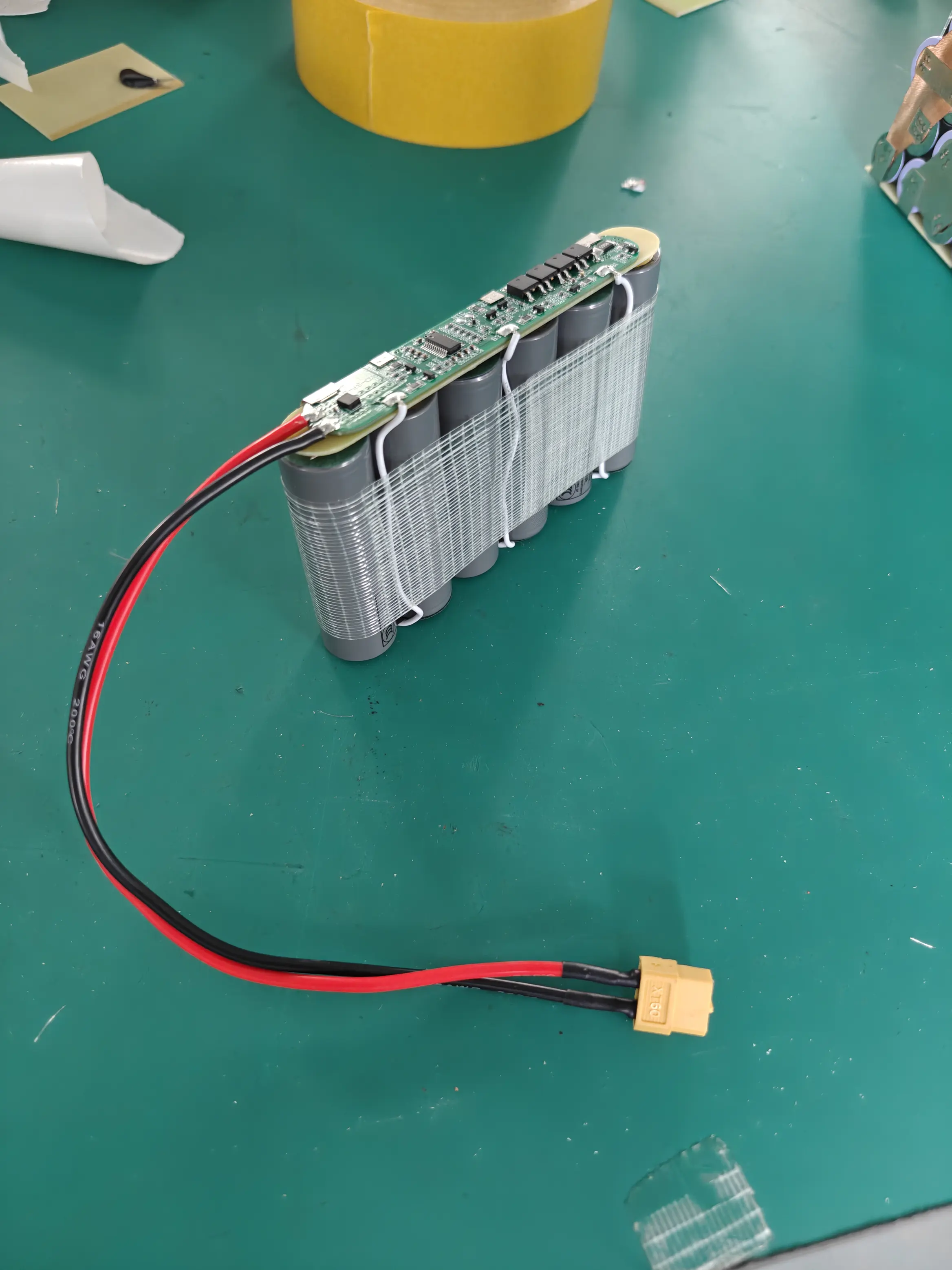
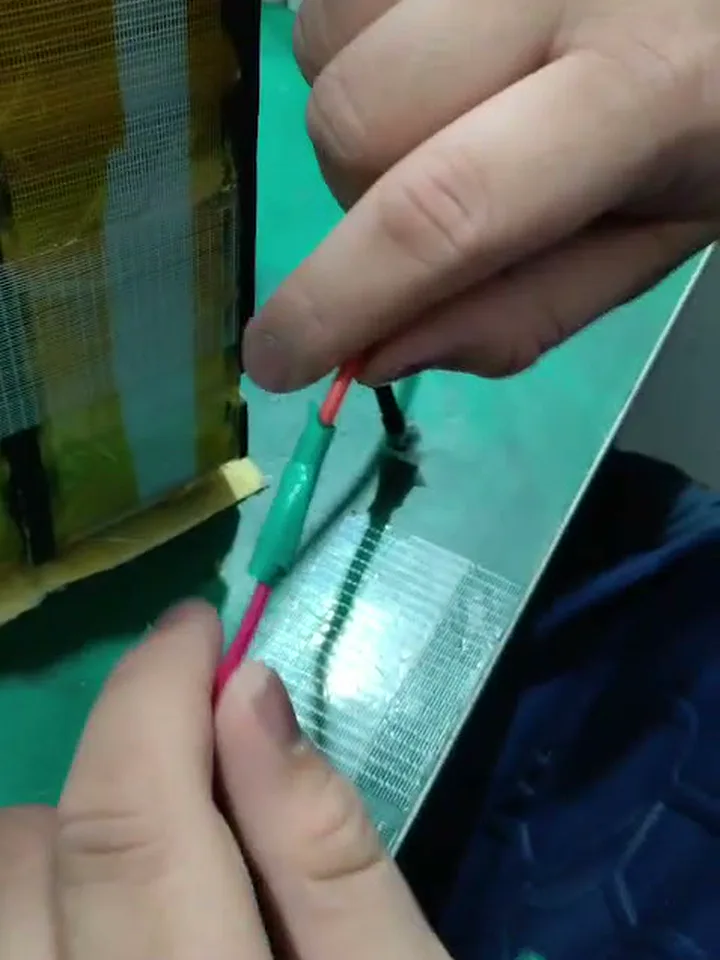
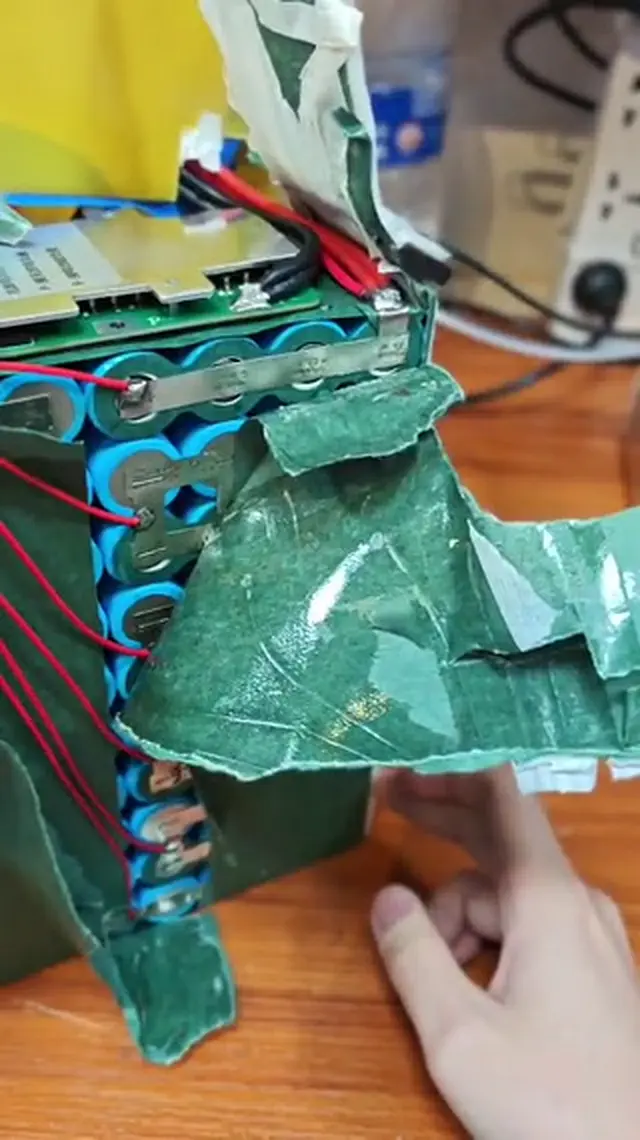
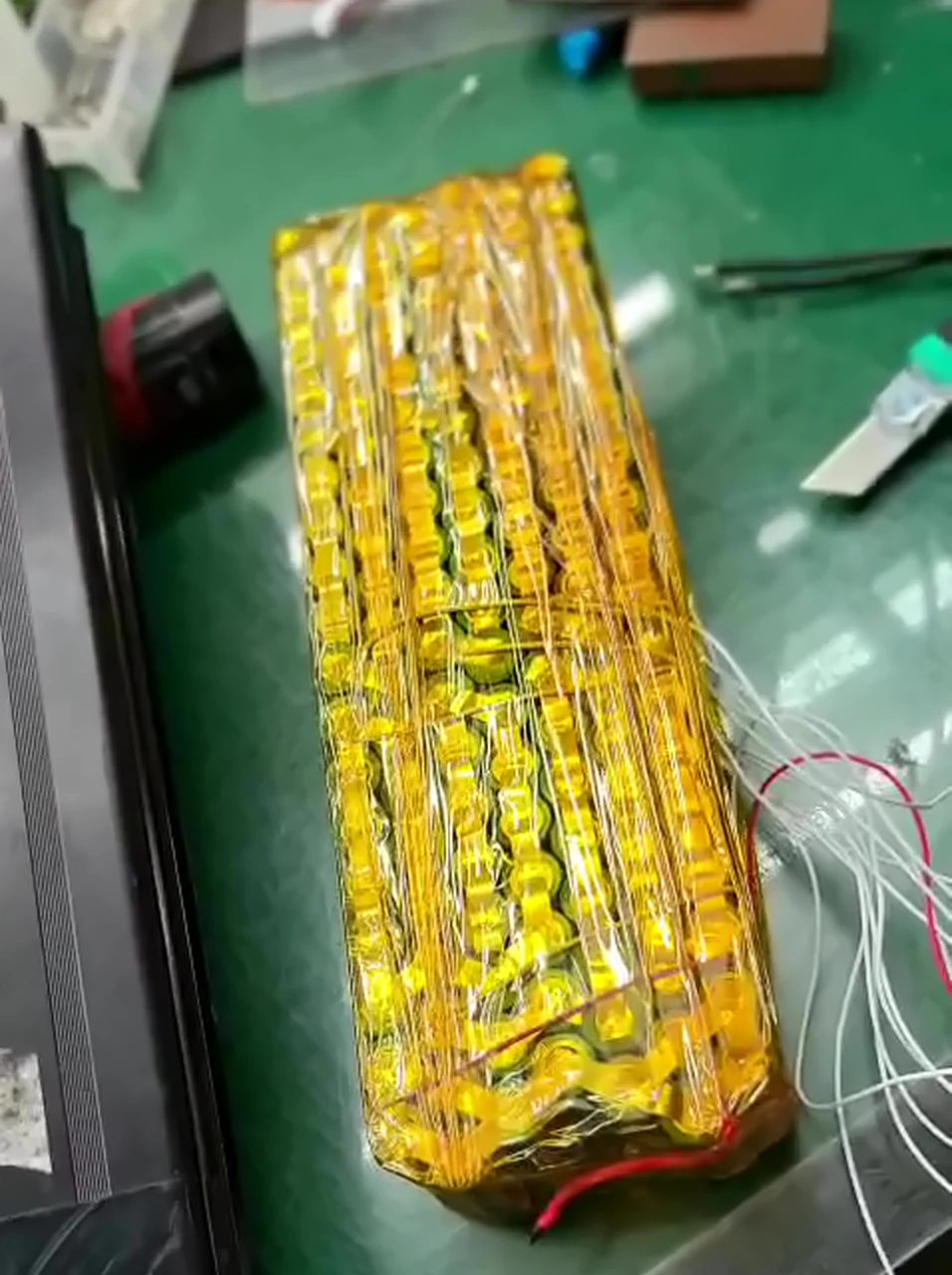
Workshop photos show the assembly stages only. They aren’t instructions to open or build a pack at home. A replacement for your bike starts with the bike categories in Shop. For a custom build, send the available space, the bike or equipment model, and the charger and connector details.
Stock and prices change when they change. Check the product page: an old group-chat screenshot isn’t today’s quote. Can’t find the component? Send the model marking and what you need it for.
Got numbers? Send the labels
No need to decode the whole label like an exam paper first. Send the battery and charger labels as they are, and for a custom or changed setup add the controller and motor labels. We work from the actual details, not from a model code turned into a voltage by guessing.
Replacing a battery takes more than Ah: check the case, the mounting and the connector too. Extra capacity isn’t much help if the battery can’t go where it has to sit. Which battery fits my bike? shows what to send.
Not sure what a number on your label means?