IN SHORT
- Frame space first. Cannot anyhow choose a catalogue shape.
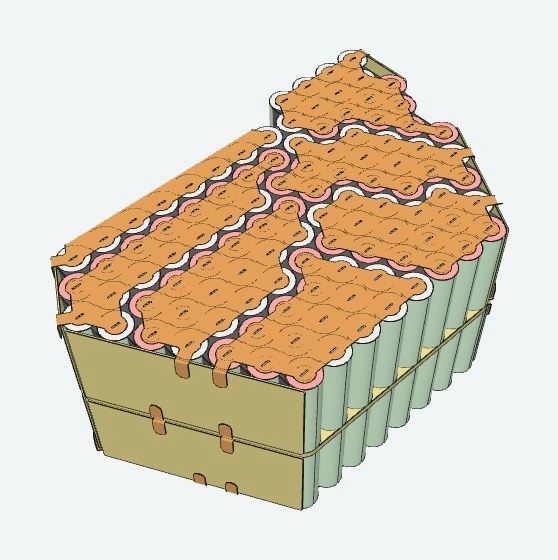
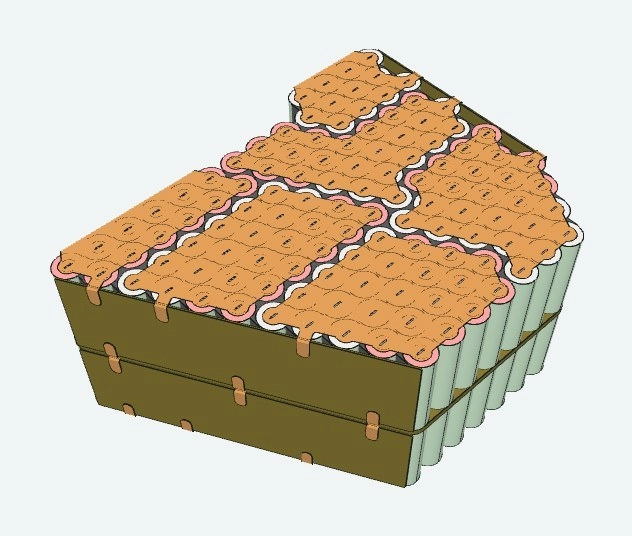
- We drew this 20S10P layout in DogeTune Builder before cutting copper.
- Holder, rings, copper, wrap and case follow the same outline.
A CHAT WE SEE A LOT
R
Rider
bro my light bee range damn sad
can just buy the big 72v square pack from carousell then zip tie at the side?
WTF cheebye
brother battery not like bubble tea can liddat anyhow hand one eh
later fly then passaway
then how
take a few photo of your battery compartment measurement first
or come down we measure for you, build you one proper battery
confirm you like
better then you buy casablanca battery anyhow strap
Frame gap got attitude
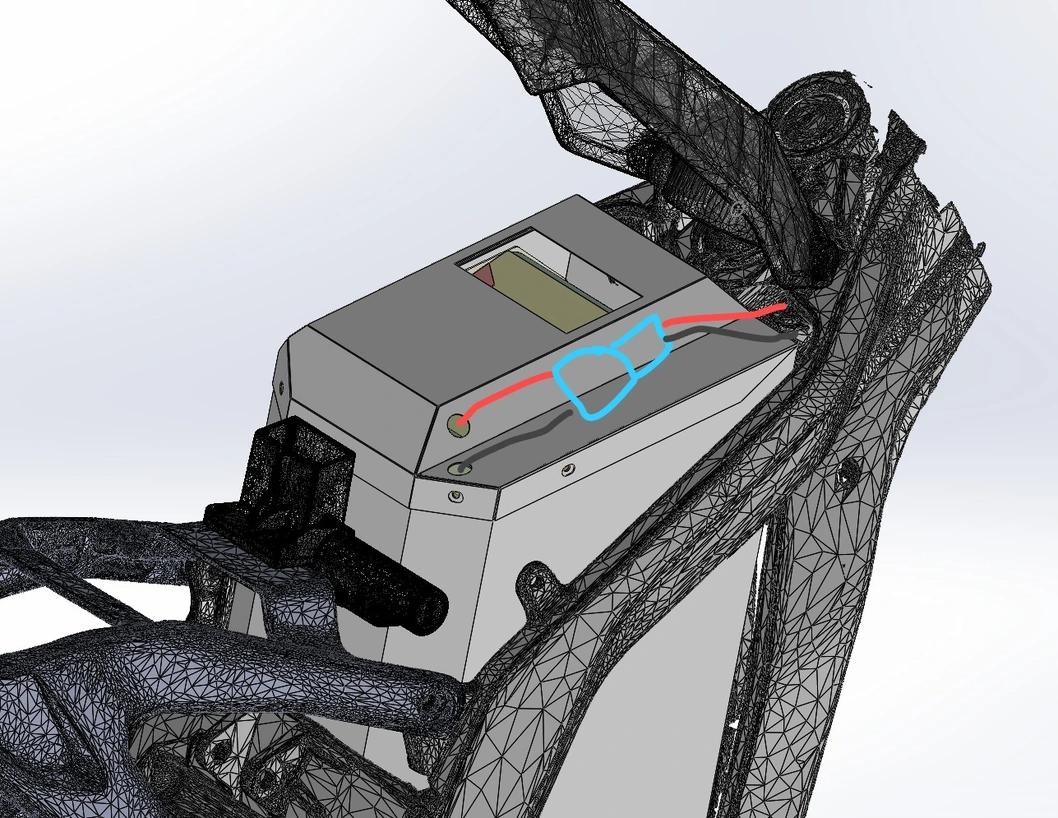
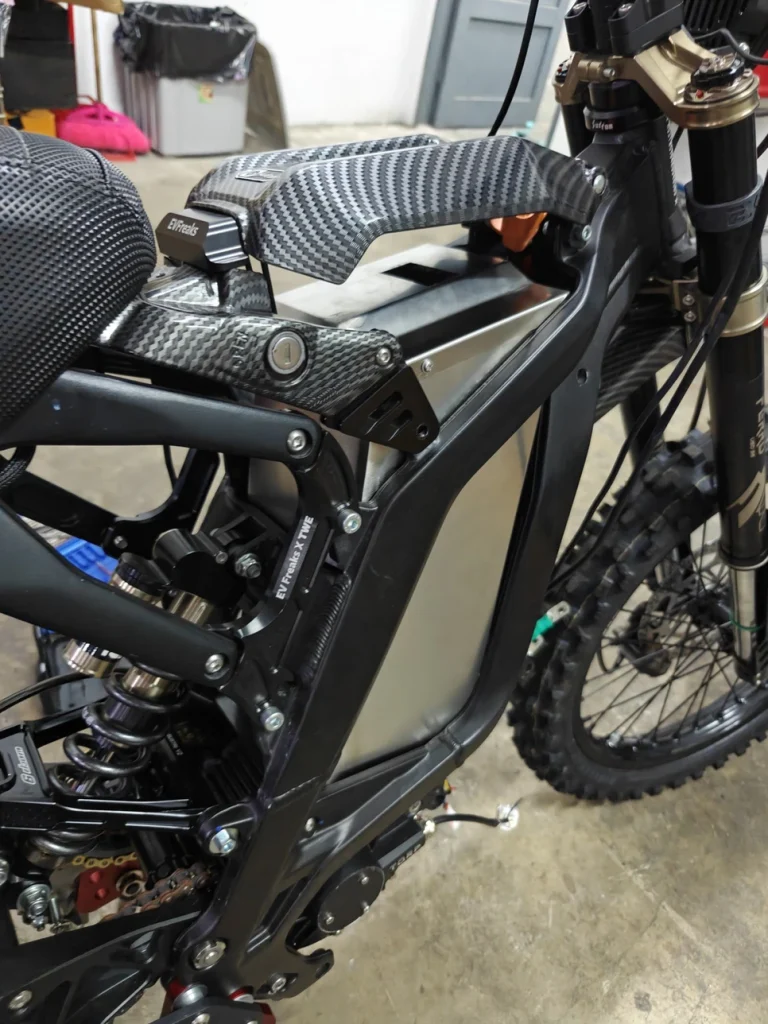
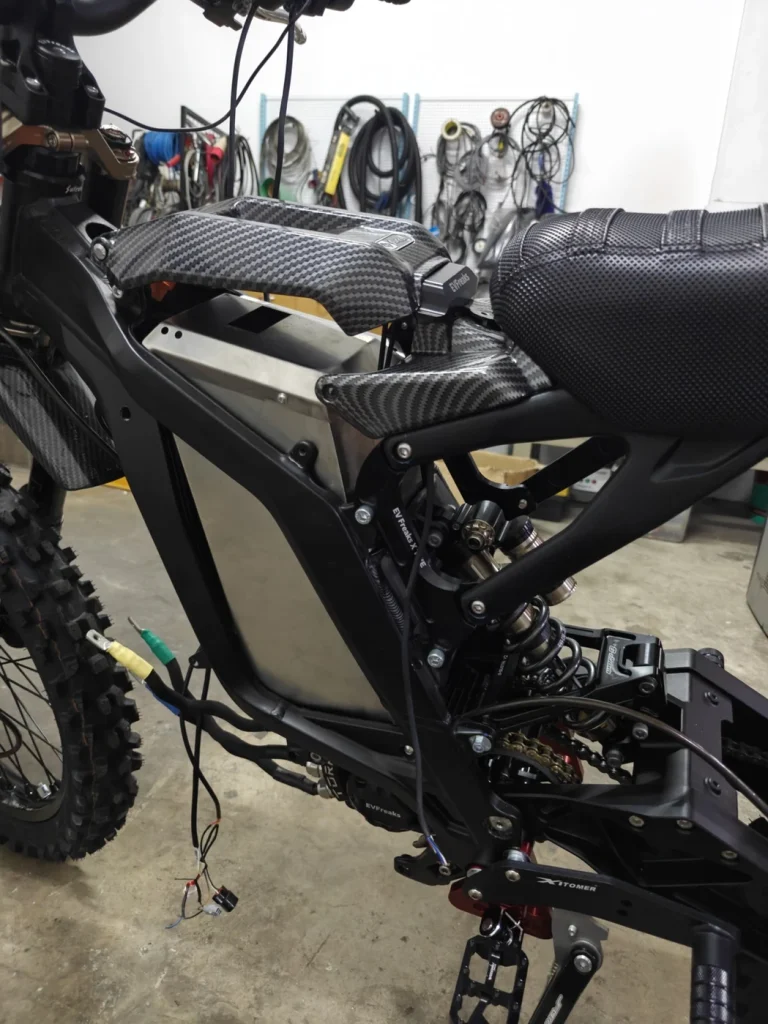
Wah lau this frame ah, look like got space then suddenly very choosy. The Light Bee has no battery box, just a long, narrow space in the frame with one end cut at an angle where the frame bends.
Confirm plus chop cannot ignore that outline, or the pack simply will not go in. We model the frame’s inside as a 3D outline, then draw the pack within that space.
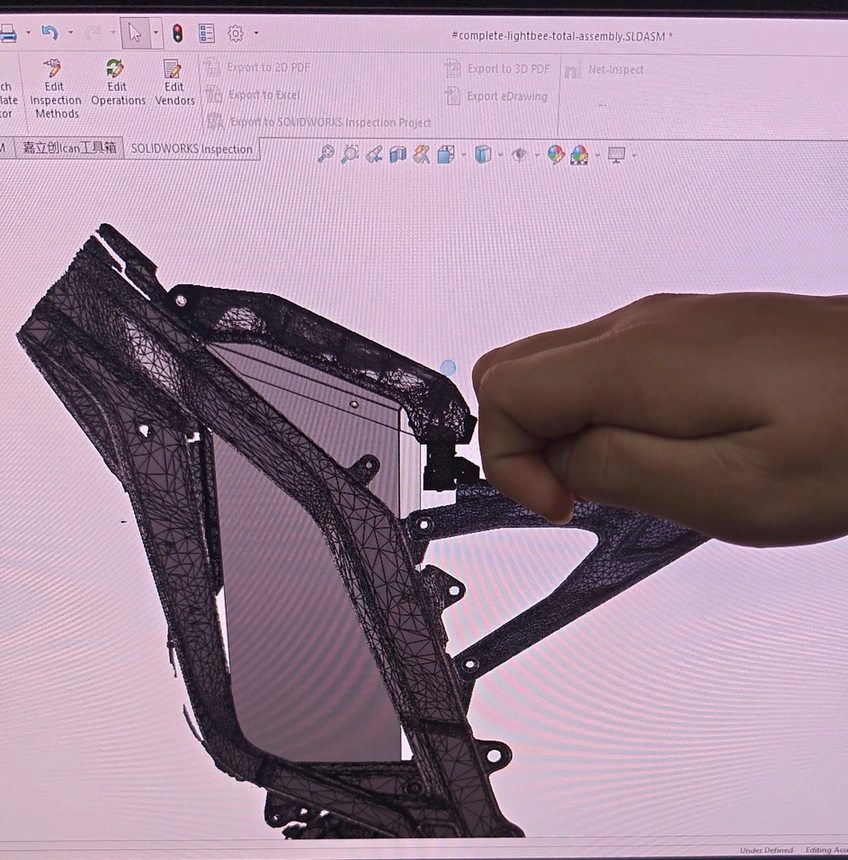
Builder counting cells until all accounted for
Wah lau, two modules, each 10S10P, stacked into one 20S10P. That is 200 cells, and the angled end steps down group by group.
Steady lah, DogeTune Builder gets every cell placed and assigned to its series group. It only says “Pack valid” when the cells are all placed and the series chain is complete.
20S10P · 200 / 200 CELLS PLACED · PACK VALID · 349 × 135 MM MODULE FOOTPRINT
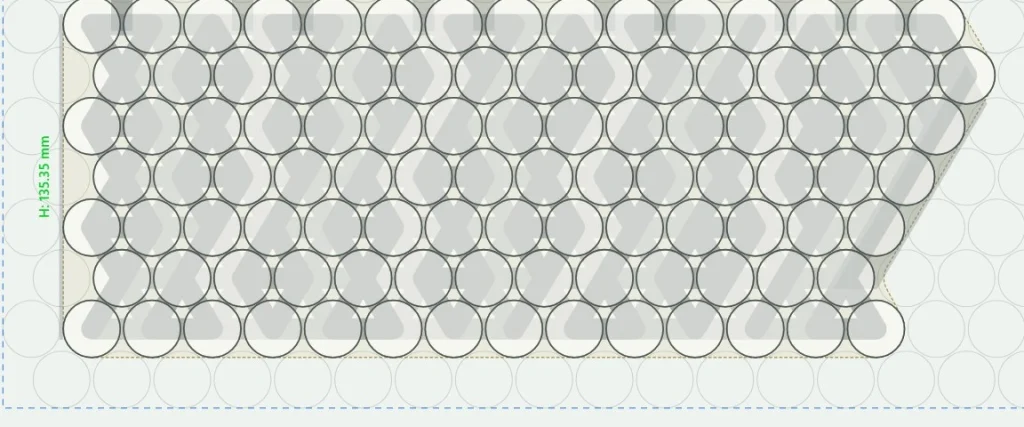
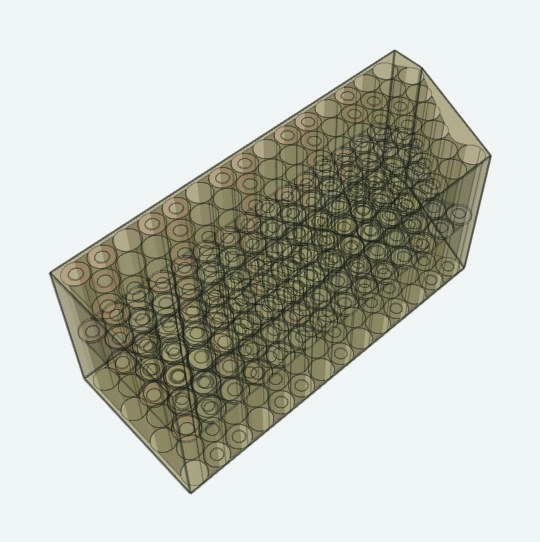
Rings first, later headache
Aiyo bro, cells go into a holder that matches the layout, row by row. One ring goes on every cell end before copper goes anywhere near them.
Don’t play play, that small ring is easy to forget then headache come find you. It keeps a busbar edge from shorting onto the cell can, so we put one on every cell end.
Copper shape got no rectangle mood
Wah lau, off-the-shelf busbars for this shape? Good luck ah. We cut the copper busbars on our CNC, following the series groups in the drawing.
Confirm cannot act blur and pretend this is a normal rectangle. Each piece lands on the cells it is meant to join, and the copper follows the drawing.
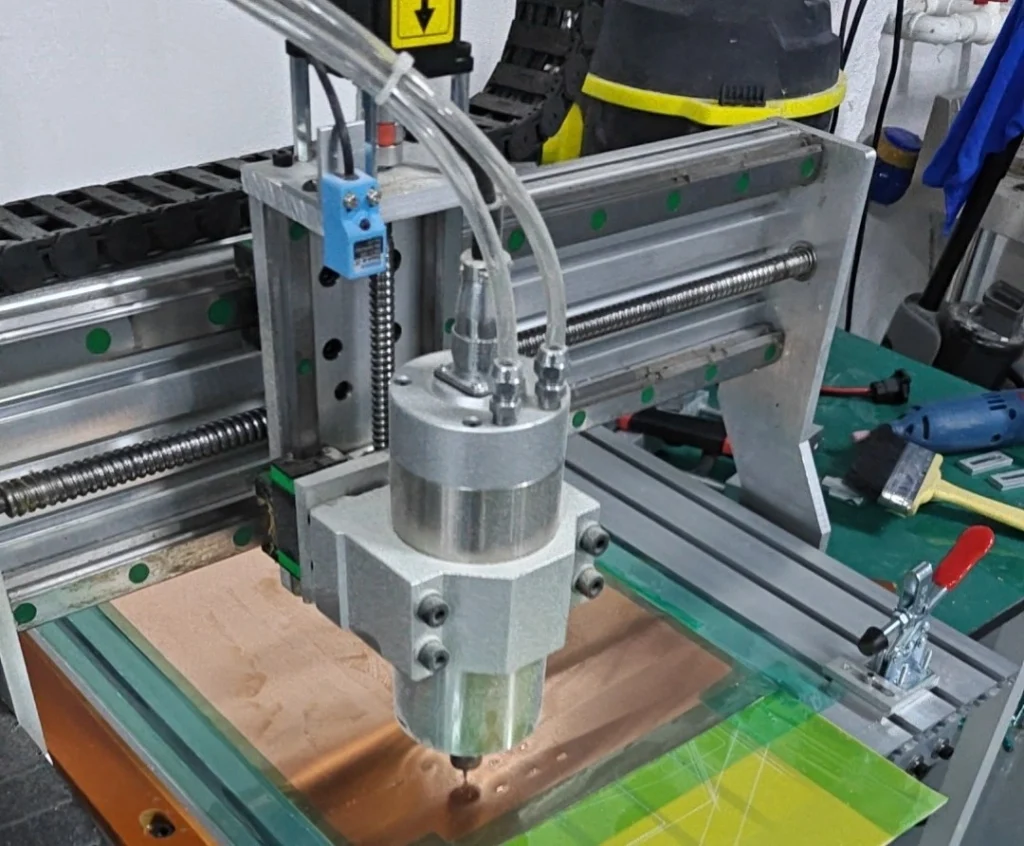
Two modules, one reunion party less
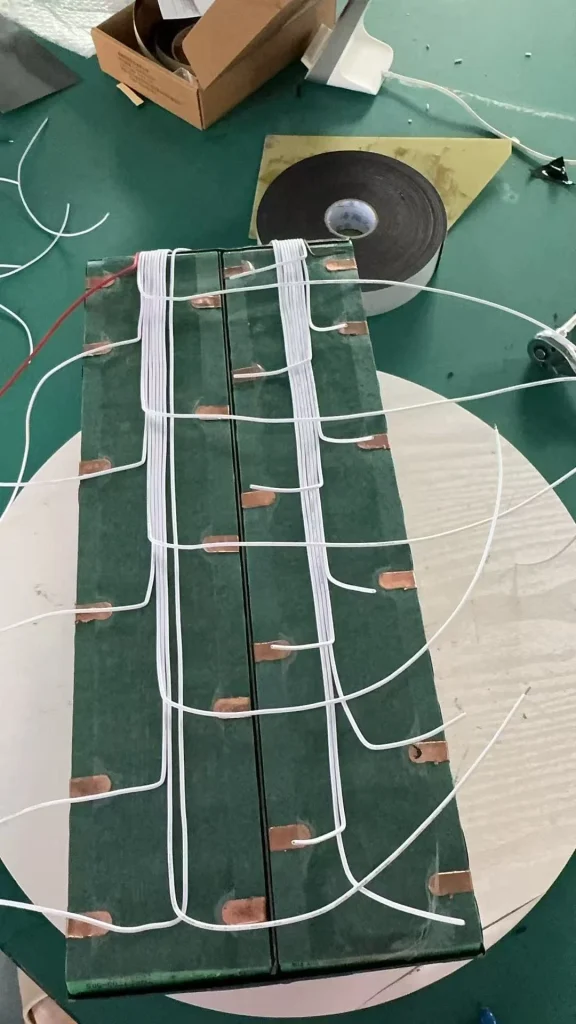
Steady lah, two modules go together with insulation between them. No bare copper reunion party, please lah.
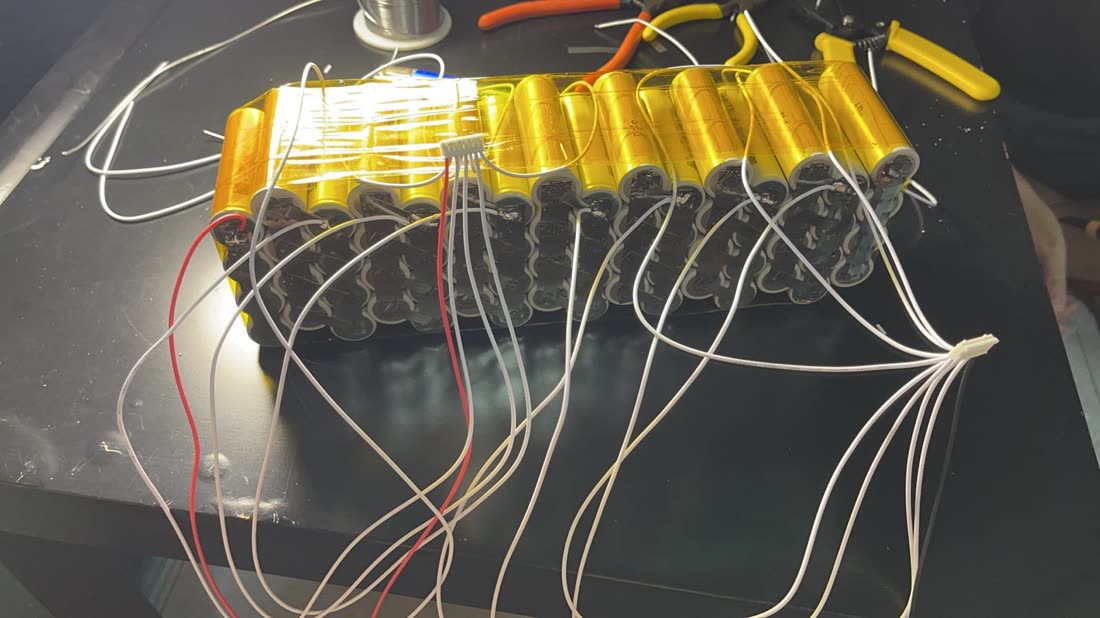
Wah this one very clear, balance leads run along the pack, one to each series group, so the BMS can watch those groups.
Case fits, display says hello
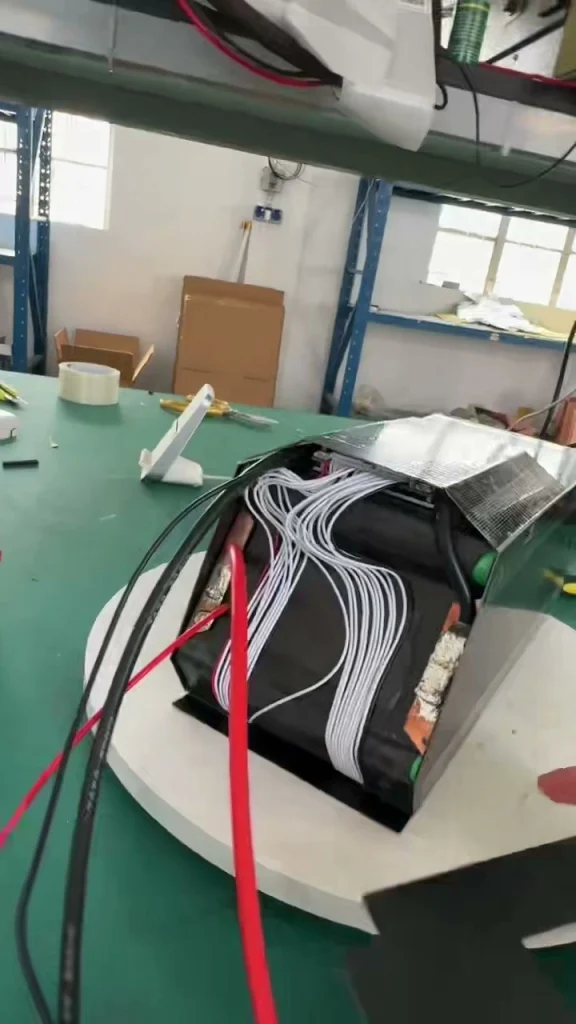
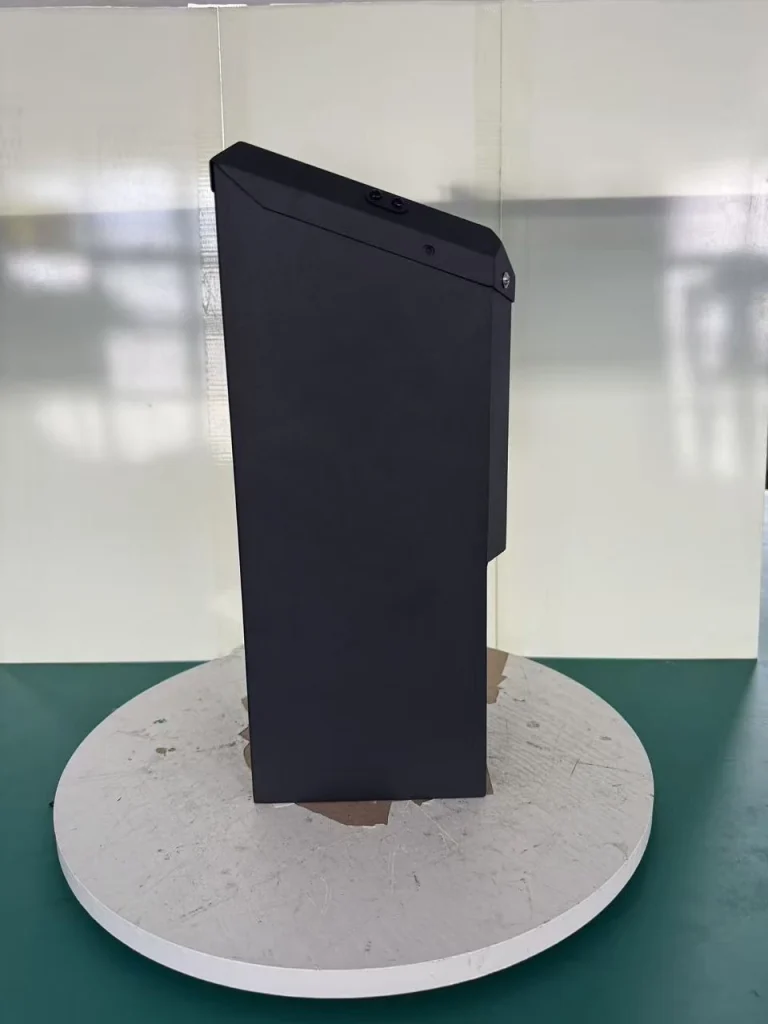
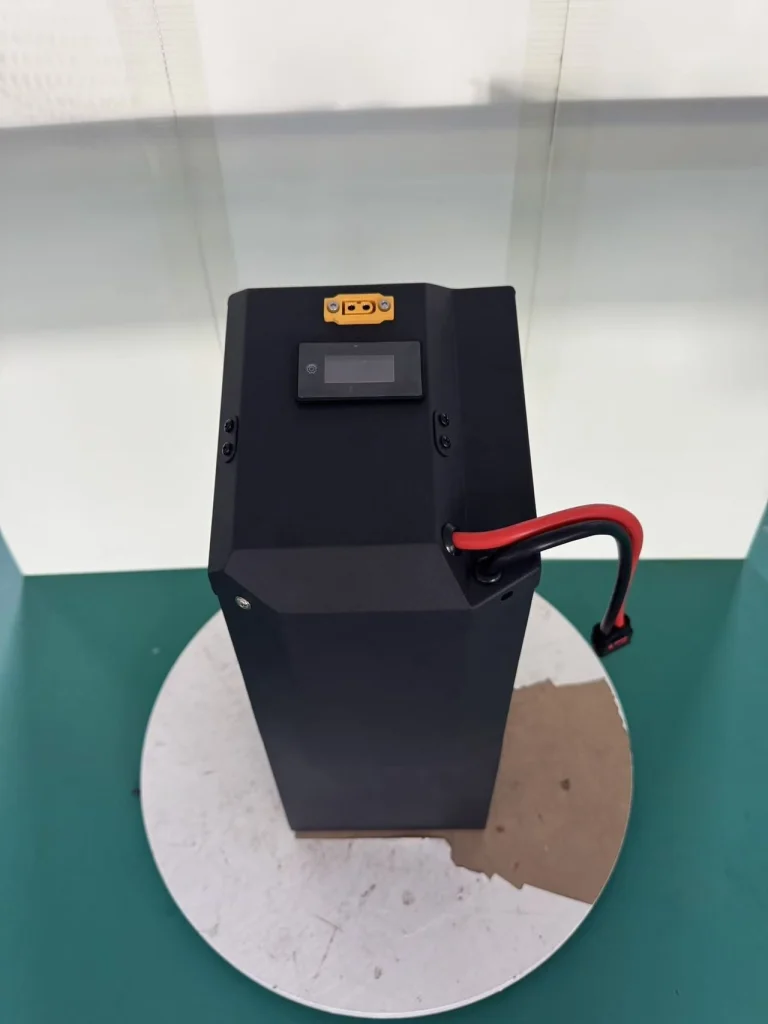
Aiyo bro, the wrapped pack slides into a case built for that same long, angled outline. This shape follows the frame space all the way in.
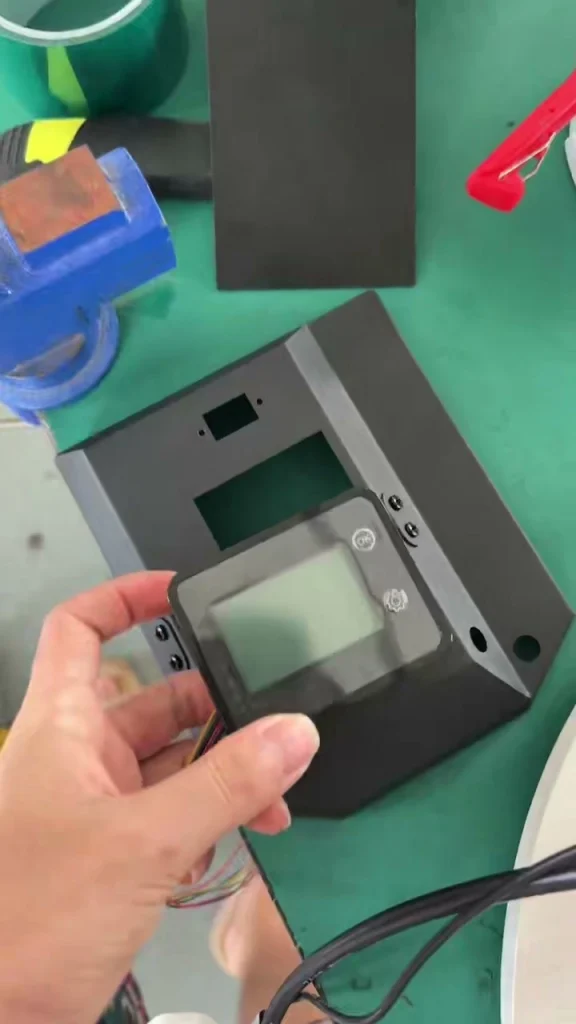
Wah, display fits into its cut-out on top, where you can see it on your bike. There it is, no need to squint from across the carpark.
THE FINISHED PACK
Siap! Zip ties can retire
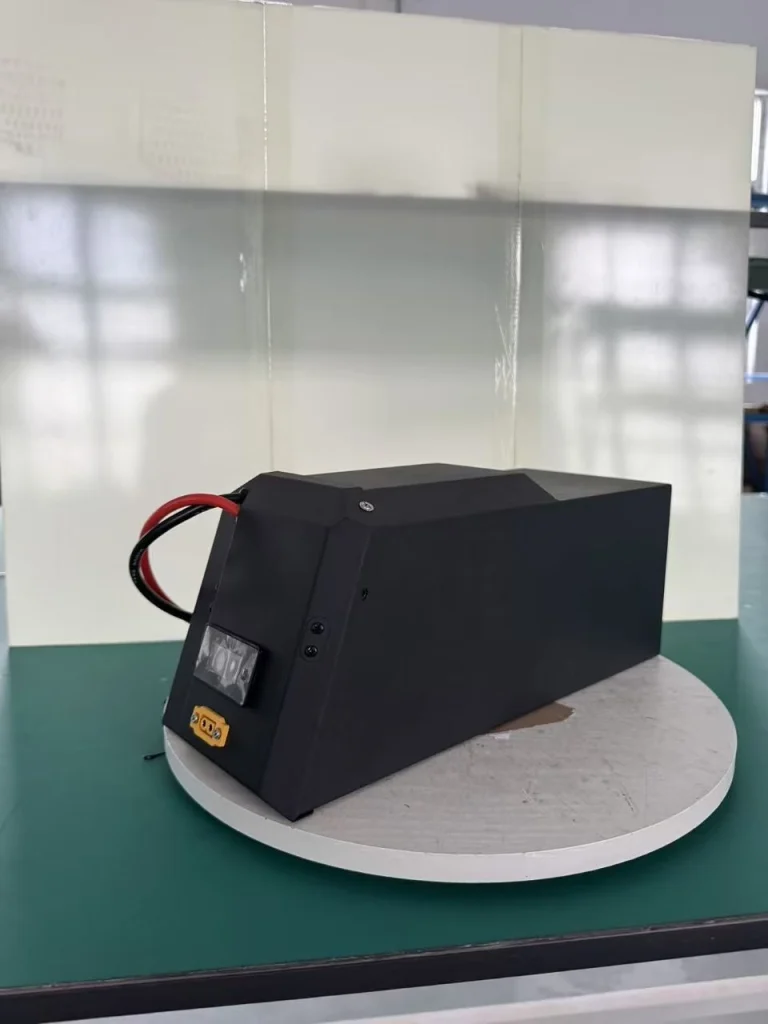
Steady lah, same outline from the first drawing, now sitting in its case. Long, narrow, angled at the end, and built to sit inside the frame. Zip ties can go take a break. Then into the bike lor, case inside the frame, carbon cover closed over the top.
Got a funny battery space?
Send the frame’s inside measurements and a photo of the space.