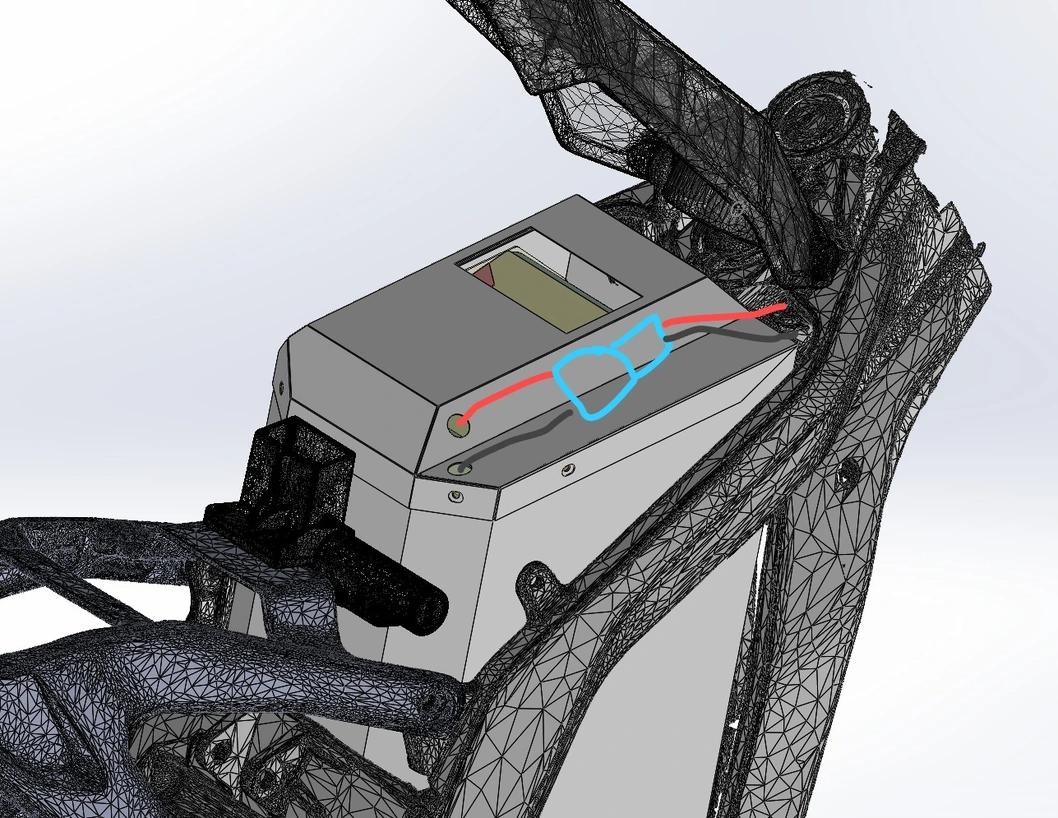
Start with the labels, not the plug shape
Read the battery's charging requirement and the old charger's output label. Nominal battery voltage and charger output voltage are not interchangeable numbers.
If the old charger wasn't supplied or approved for the battery, tell us. We can't use “that's what the last owner used” as the compatibility check.
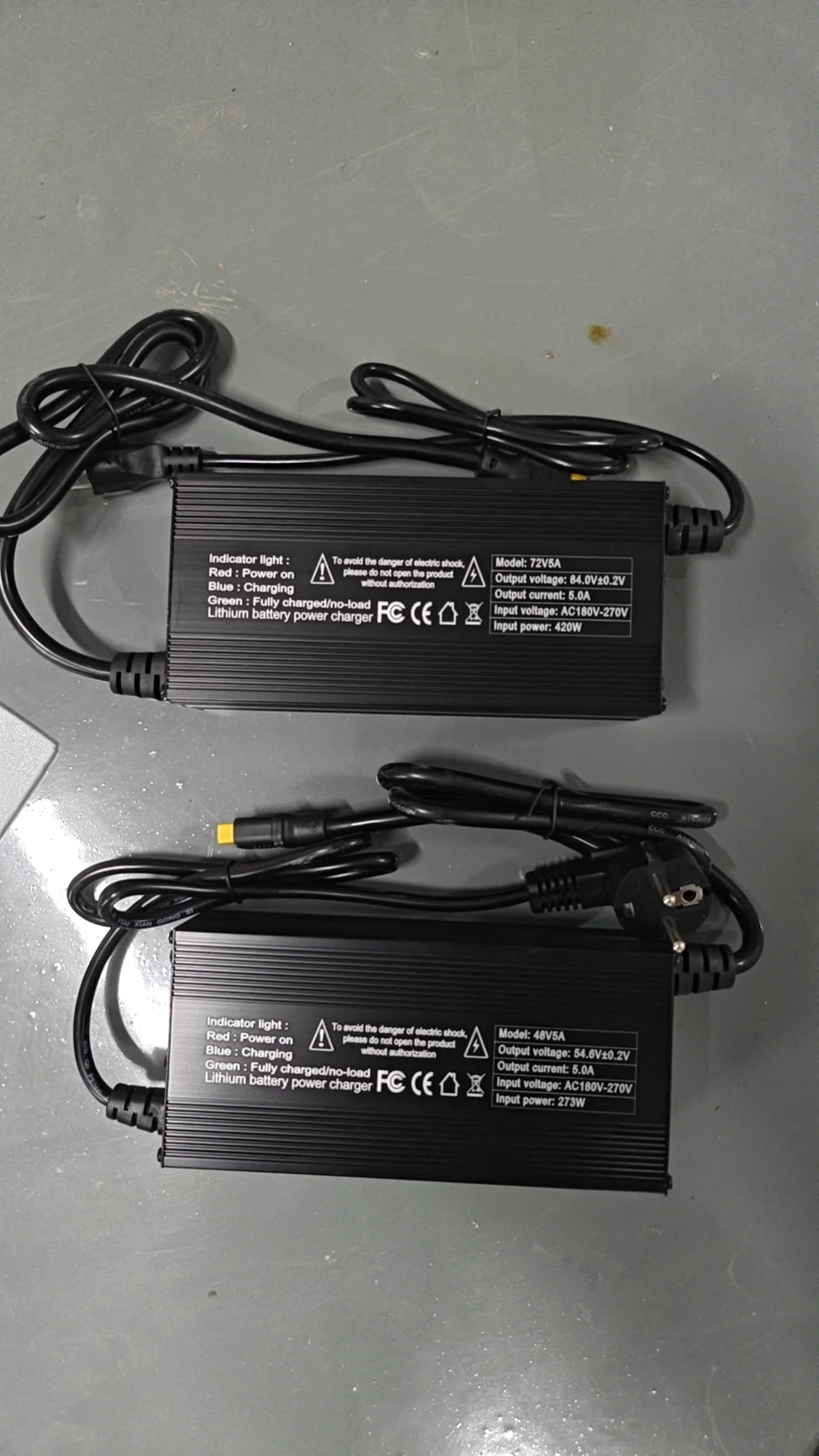
Three things to compare
Use the manufacturer's specified charger. These details help identify it; they aren't a recipe for picking an arbitrary replacement.
- Output voltage: match the battery's charging requirement.
- Charging current: check what the battery is designed to accept.
- Connector and polarity: appearance alone doesn't tell us how the plug is wired.
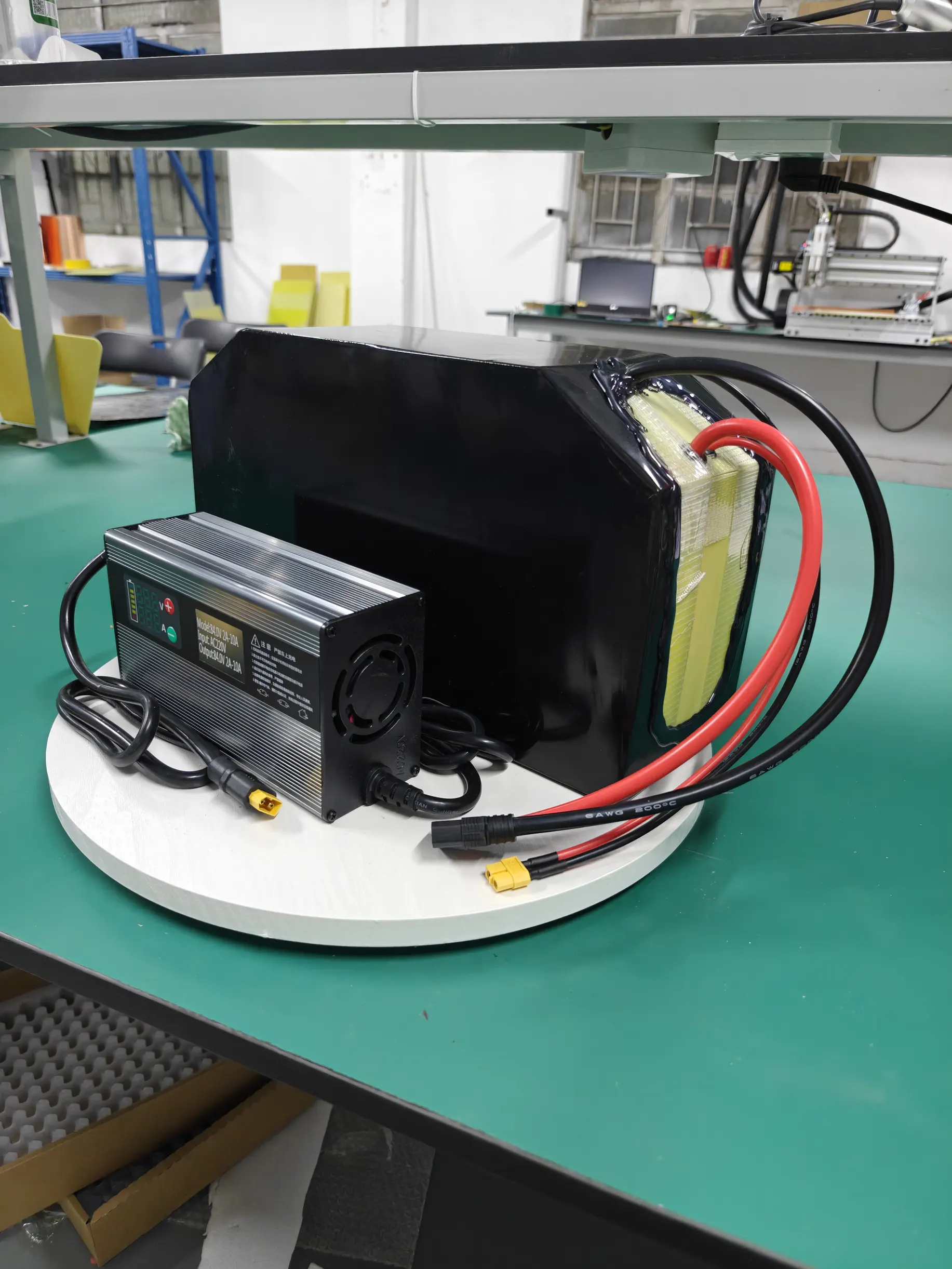
Don't test it by anyhow plugging in
Send the battery label, charger label, plug and charging port. Include any adapter in between. Keep the wiring as it is.
Singapore's Consumer Product Safety Office advises using the manufacturer's recommended charger and checking that the AC adaptor has a valid SAFETY Mark. The mark still doesn't tell u whether a particular charger suits ur battery.
Label worn off? Send what u can see and say it's missing. We can help identify the next step without asking u to guess the pinout.
Singapore Consumer Product Safety Office: lithium-ion battery safety ↗
Comparing the options
Use the current charger product page for price, specifications and availability. Keep the battery details beside u while comparing.
If the battery is damaged or behaving abnormally, stop using it and seek advice. Buying another charger is not the first thing to try.