| Marking | What it describes |
|---|---|
| V | Voltage. Keep nominal and full-charge values distinct. |
| Ah | Charge capacity. It is not a guaranteed distance. |
| A | Current. Ask which part, conditions and duration the rating refers to. |
V: voltage
Start with the electrical specification the bike and charger require. A higher voltage isn't automatically an upgrade u can drop in.
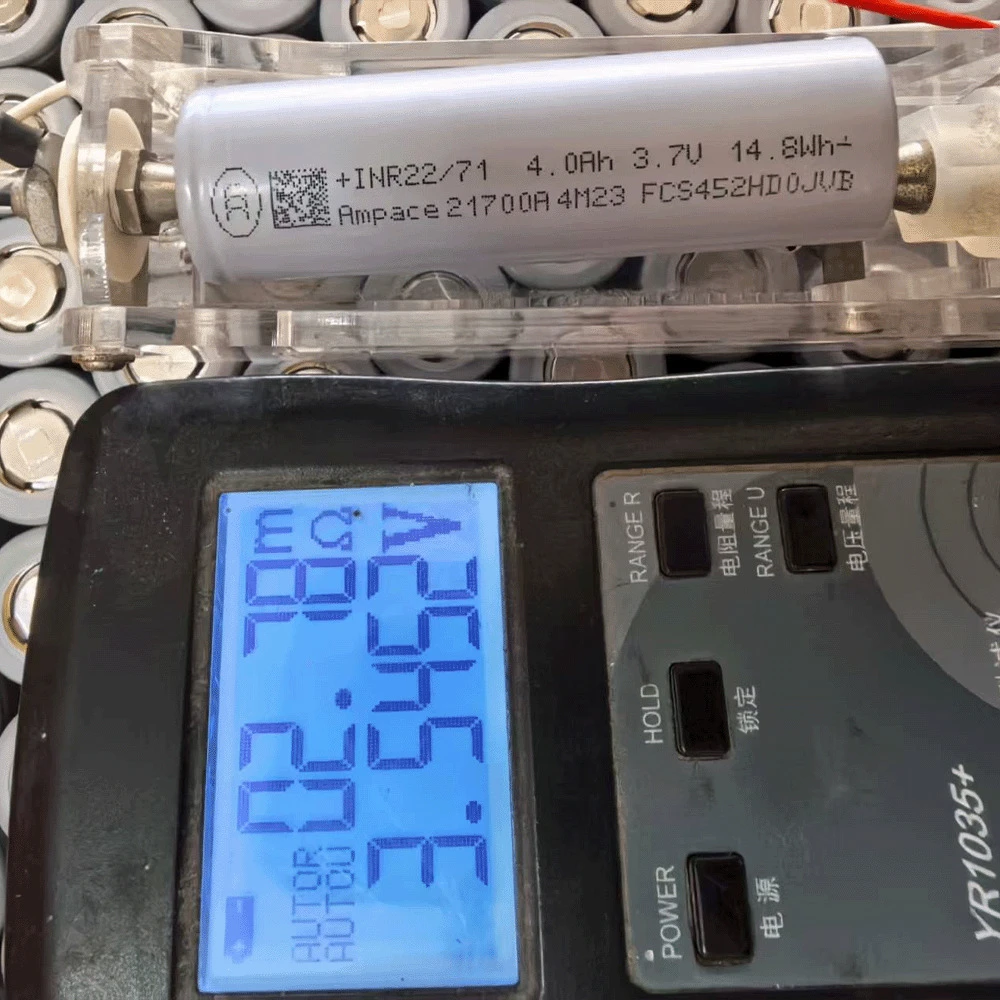
Nominal voltage and full-charge voltage are different figures. Keep both where they're listed; don't replace one with the other when comparing labels.
Ah: charge capacity
Amp-hours describe charge capacity. They don't tell us whether the case fits or guarantee how far ur bike will go.
Same Ah on two listings doesn't make the batteries identical. Keep voltage, dimensions, connection and the rest of the specification alongside it.
A: current
Amps describe current. Ask which current we're talking about: charging, battery discharge or a controller setting?
“80A” without context leaves half the conversation missing. Keep the original label or specification with the number, including whether it's continuous or peak.
And a BMS rating by itself isn't the rating of the complete pack. The cells and the rest of the assembly still matter.
U don't need to translate everything first
Send the battery and charger labels as they are. For a custom or changed setup, add the controller and motor labels.
We'll work from the actual details. Better that than turning a model code into a voltage by guessing.
When comparing replacements, also check the case, mounting and connector. Extra capacity isn't much help if the battery can't go where it needs to sit.