IN SHORT
- Don't pay under pressure.
- Ask for the label, history, charger, connector and fit first.
- If the pack is suspect, stop using and charging it and ask the maker or authorised service.
A CHAT WE SEE A LOT
R
Rider
mrt meetup damn rushed 😬
train doors closing already
pay and run package, platform edition 💀
after paying, this fella’s friend say
he needed cash for kpod
kpod fry brain, battery also kena dragged into this nonsense 🤡
drug use harmful, don’t support it
next time just pay first then check ah 🥲
no lah, pay first then check is how the plot gets worse
if this fella rush u, slow the deal down or walk away
for a damaged pack, ask its maker or authorised service first
Illustrative scene: this is not a real customer or seller exchange, and it identifies nobody.
Train doors closing
Wah lau, the train can leave. Your money can stay in your pocket. A rushed handover is reason to slow the deal or walk away, not pay before the questions start. “Fast deal” is a sales condition, not evidence about the battery.
The kpod line stays in this illustrative chat for one reason: a buyer should not inherit somebody else’s pressure, missing history or bad decision. Drug use is harmful; the article does not glamorise it and does not accuse any real person. The battery lesson is simpler—inspect the information before paying, because the seller’s urgency cannot answer a technical question.
Ask battery first, discount later
The useful questions are not complicated, but each missing answer changes what the buyer actually knows. Start with the readable pack label and actual cell model. Ask which charger the maker specifies and what history the seller can document.
Readable label
Ask for the actual cell model and pack label. A label is a claim to check, not automatic proof.
History
Ask whether it was dropped, wet, repaired, opened or stored for a long time. If the answer is unknown, leave it unknown.
Charger and connector
Ask which charger the maker specifies. Same plug doesn’t mean compatible.
Fit
Ask about mounting, dimensions and the bike version. The seller should be able to show what the pack was used with.
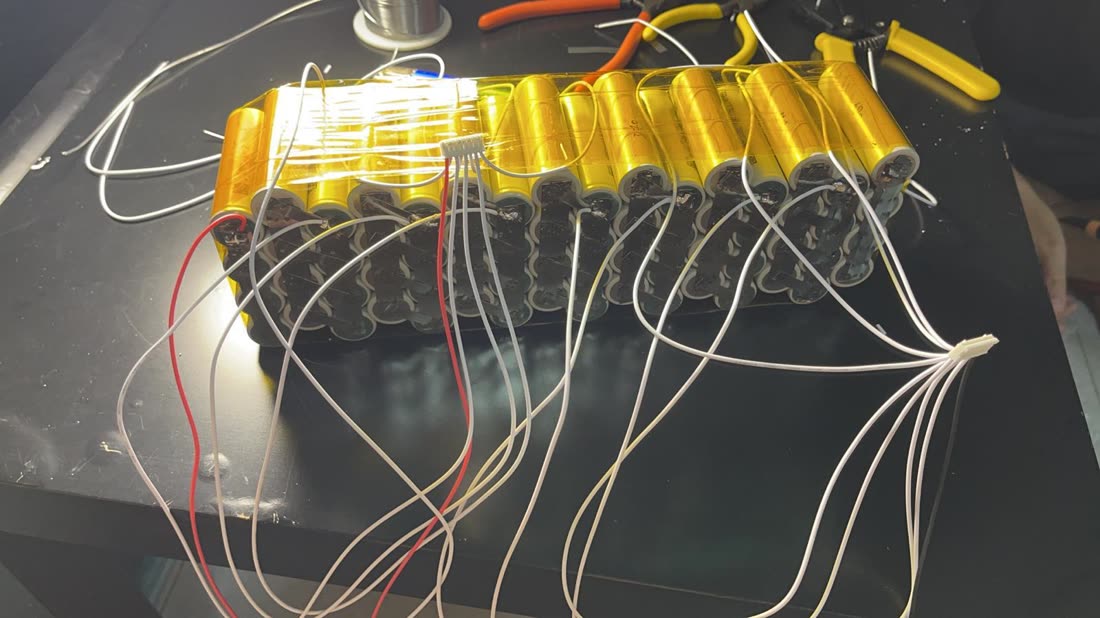
Photos help when they show the whole casing, every label, the connector, charging port and mounting points. Six beauty shots of the handle are not the same thing. A photograph records what is visible; it does not prove capacity, internal construction or the pack’s complete history.
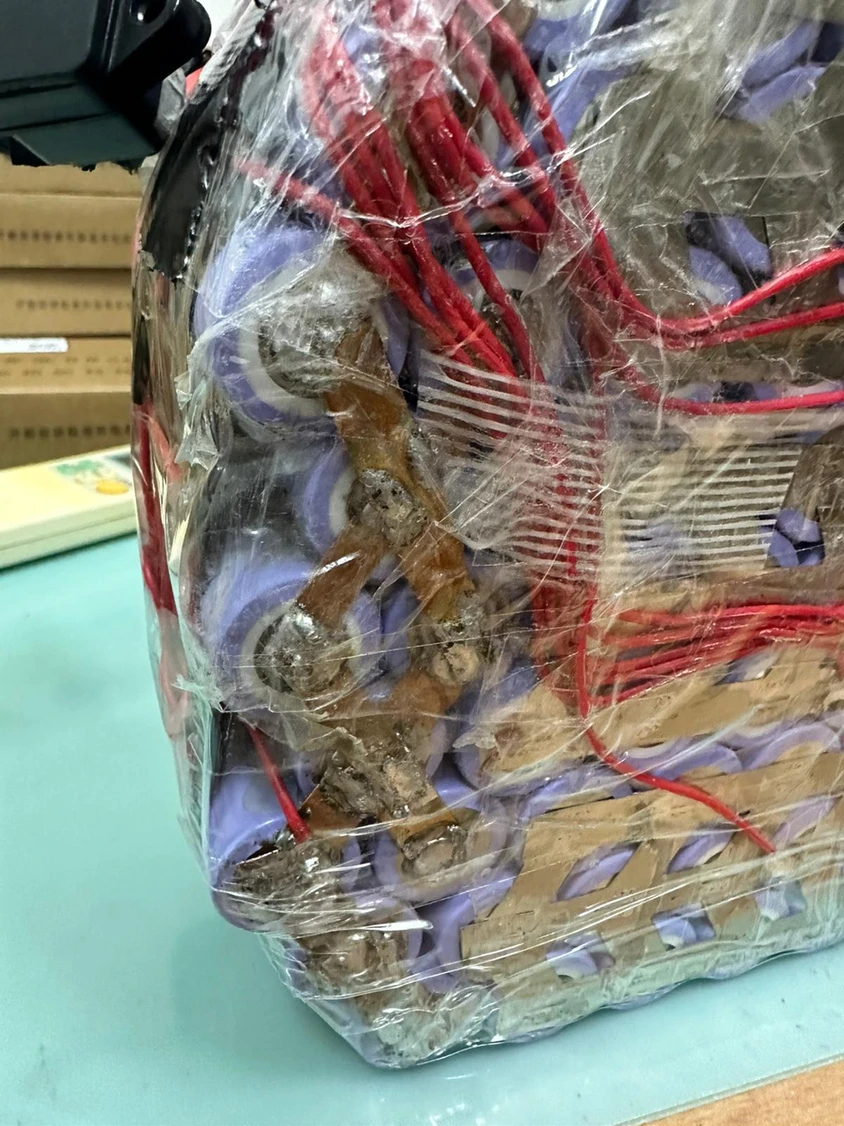
What the outside can tell you
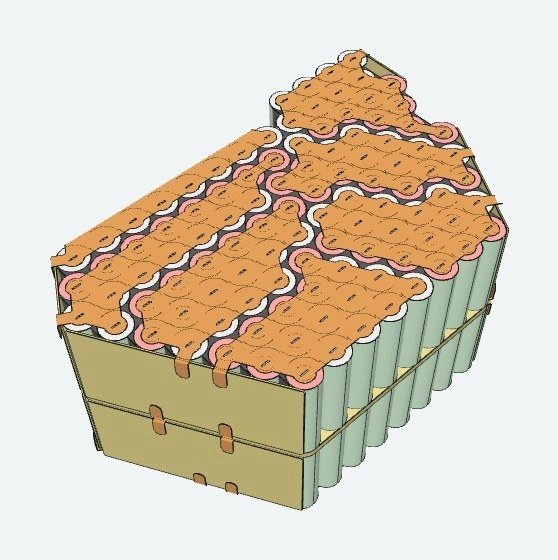
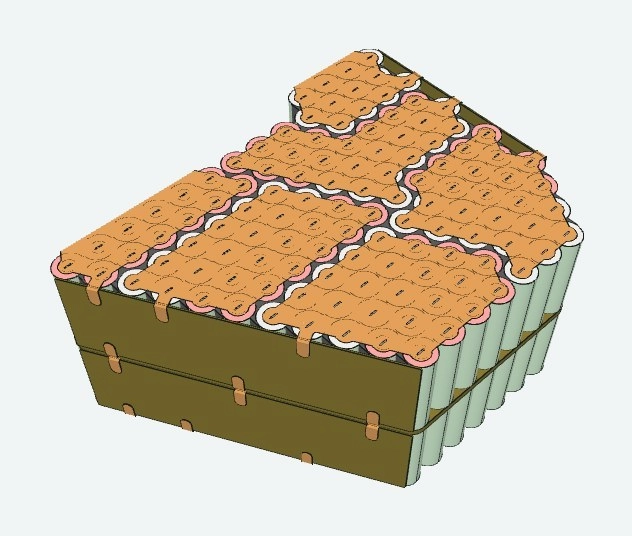
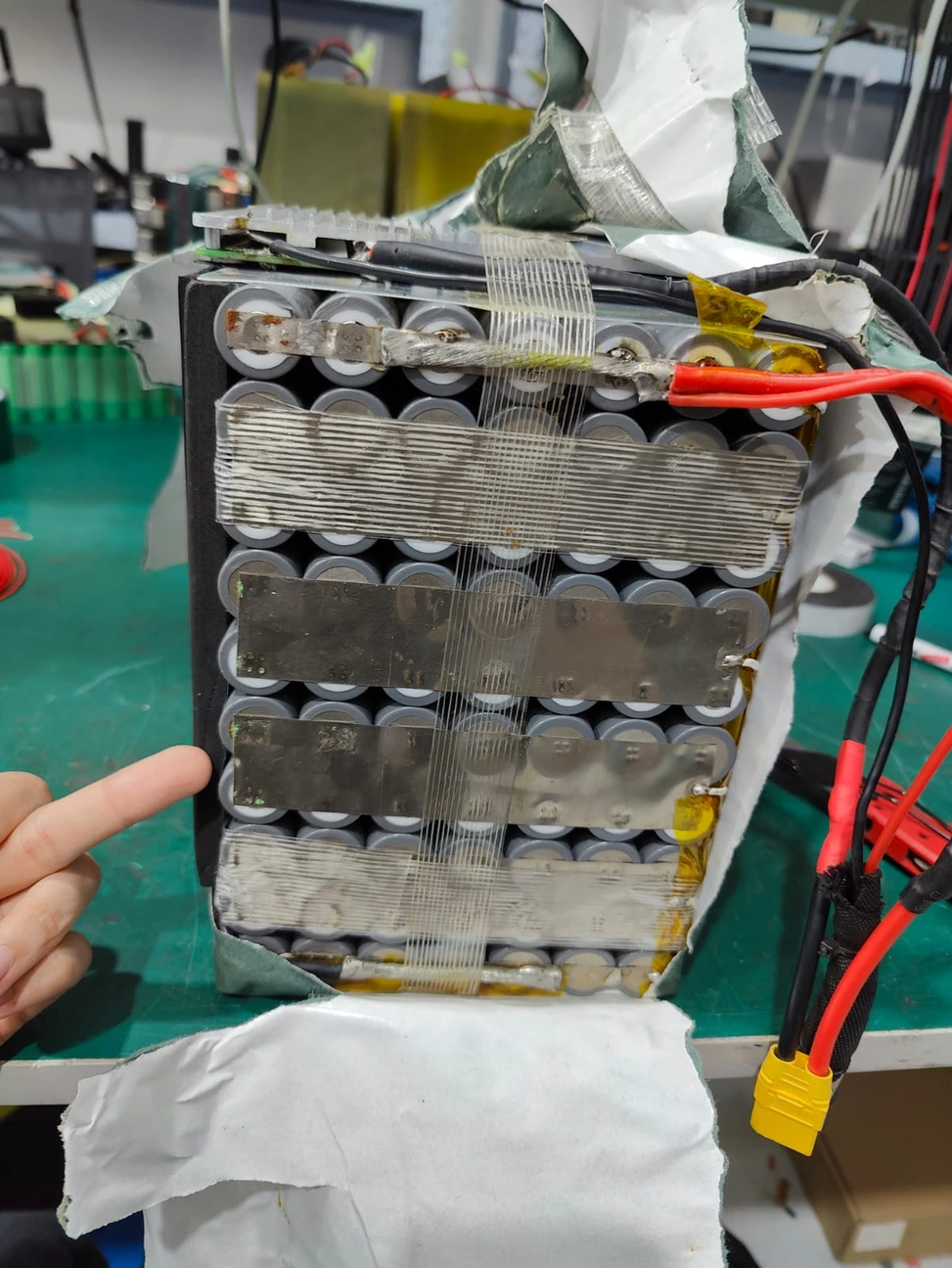
The outside can show whether the casing and wrapping are intact, whether cells or wiring are exposed, whether the charging port is covered, and whether the labels can be read. Those are useful observations, not a certificate. A tidy PVC wrap can hide an unknown history, while torn wrap and exposed wiring already tell the buyer to stop treating the deal as ordinary.
Do not buy the pack so somebody else can identify it later. If the seller cannot provide time, readable information or the specified charger, walking away is a complete answer. Nobody wins a marketplace deal by paying first and discovering the questions afterwards.
Train can leave. Your money can stay.
What now
Don’t pay under pressure. Look from outside only and walk away if the seller will not give time or information. If there is swelling, leaking, unusual heat, strange smell, hissing, cracking or visible damage: stop using it and stop charging it. Don’t press it, open it or poke it to check. Don’t touch or sniff it to check. Get advice from the maker or authorised service provider.
Sources (2)
Need help checking fit?