IN SHORT
- Stop using it and stop charging it.
- Don't press it, open it or poke it to check.
- Get advice from the maker or authorised service provider.
A CHAT WE SEE A LOT
R
Rider
bro the battery case like opening a bit sia 😬
since when ah? 👀
donno leh. yesterday still okay
later i charge and see 🥲
eh no, that’s where we stop
stop using it and stop charging it
don’t press it shut, don’t open it, don’t poke it
send photos first and ask the maker or authorised service 🙏
group chat can wait, battery cannot anyhow test
Different already? Stop first
Wah lau, yesterday’s ride cannot clear today’s pack. A battery can work on one trip and look different on the next. That change is the point where testing stops—not the start of a home investigation.
Swelling, leaking, unusual heat, strange smell, hissing, cracking or visible damage means stop using it and stop charging it. Don’t deliberately touch or sniff it to check. The rider does not need to identify the exact fault before taking the warning seriously.
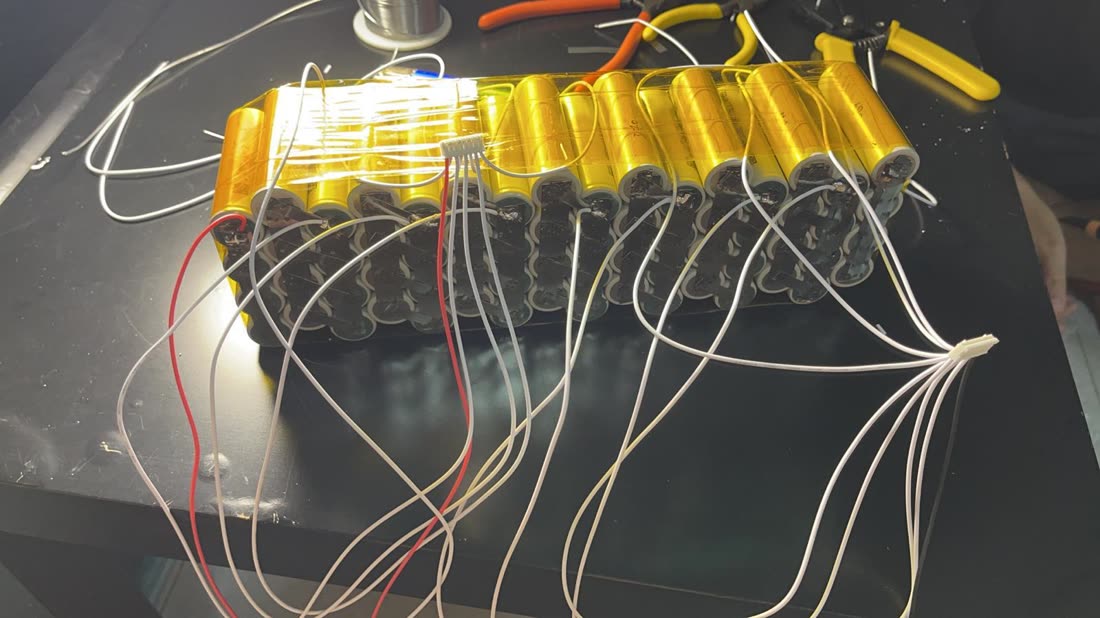
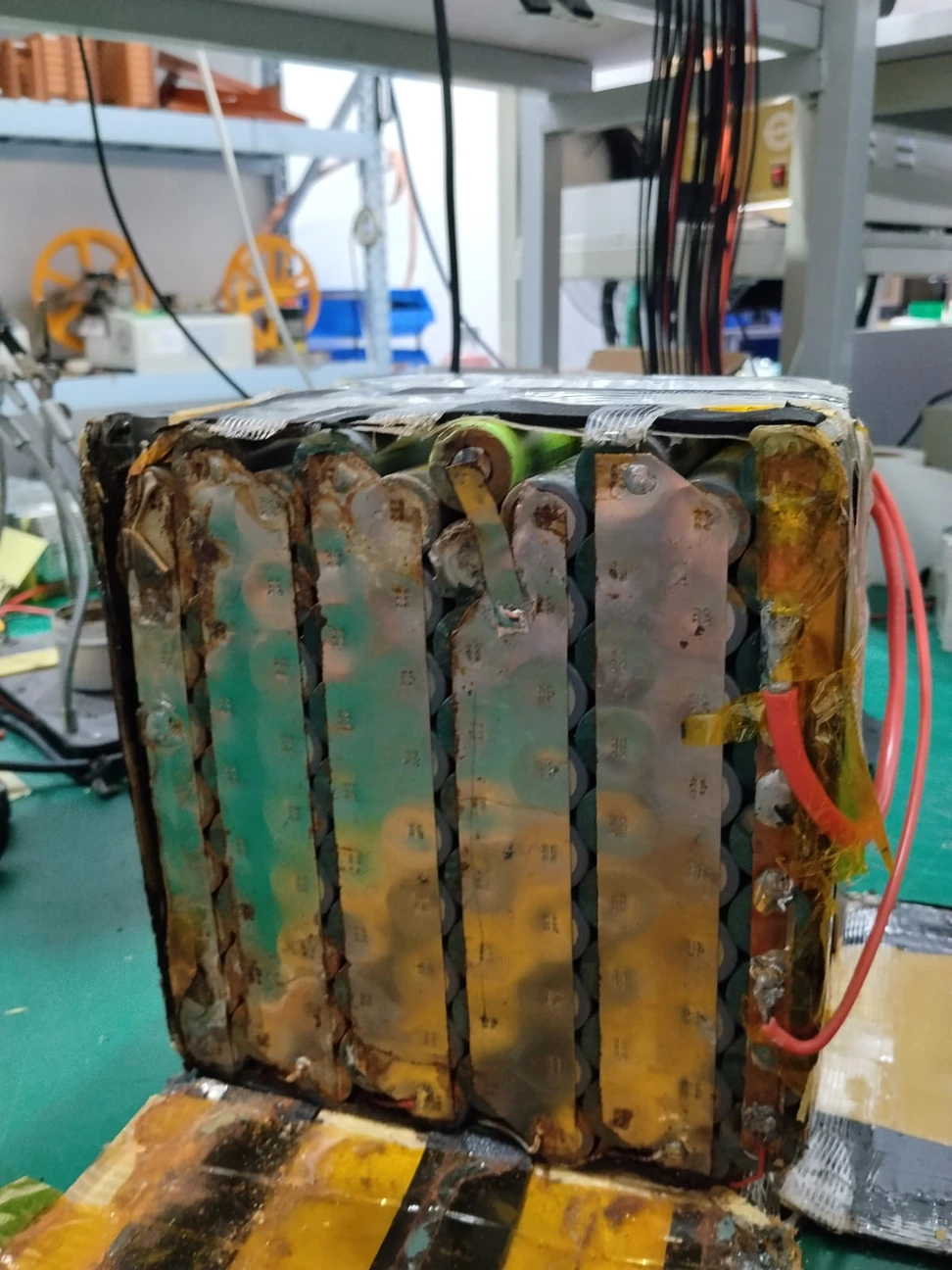
The featured pack carries several kinds of damage at once, but the photograph still does not tell us the full sequence that produced them. It shows why a visible change matters. It does not give permission to diagnose the pack from one angle or declare another pack fine because it looks less dramatic.
A visible change is enough reason to stop.
Water, cracks, swelling: don't test it
Case or wrap changed
Visible damage means stop using it and stop charging it.
Pack looks swollen
Don’t press it, open it or poke it to check.
Water exposure
Treat it as possible damage: stop using and charging it, and have it checked.
Outside looks dry
Drying the outside doesn’t show what happened inside.
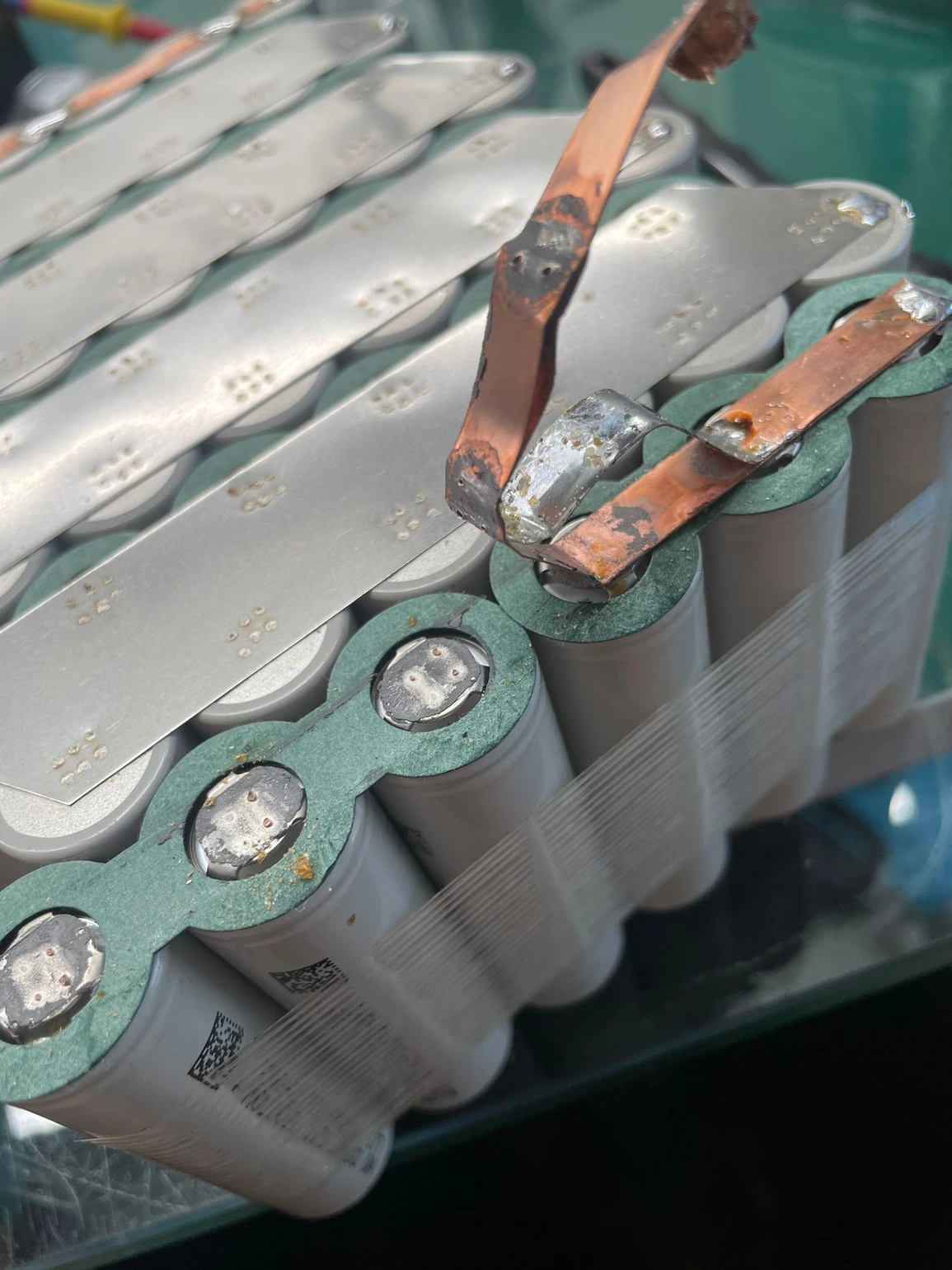
Water exposure has its own version of “yesterday still okay”: the outside dries, the casing looks normal again, and somebody proposes one quick charge. The rule does not change. Treat it as possible damage: stop using and charging it, and have it checked. Drying the outside doesn’t show what happened inside.
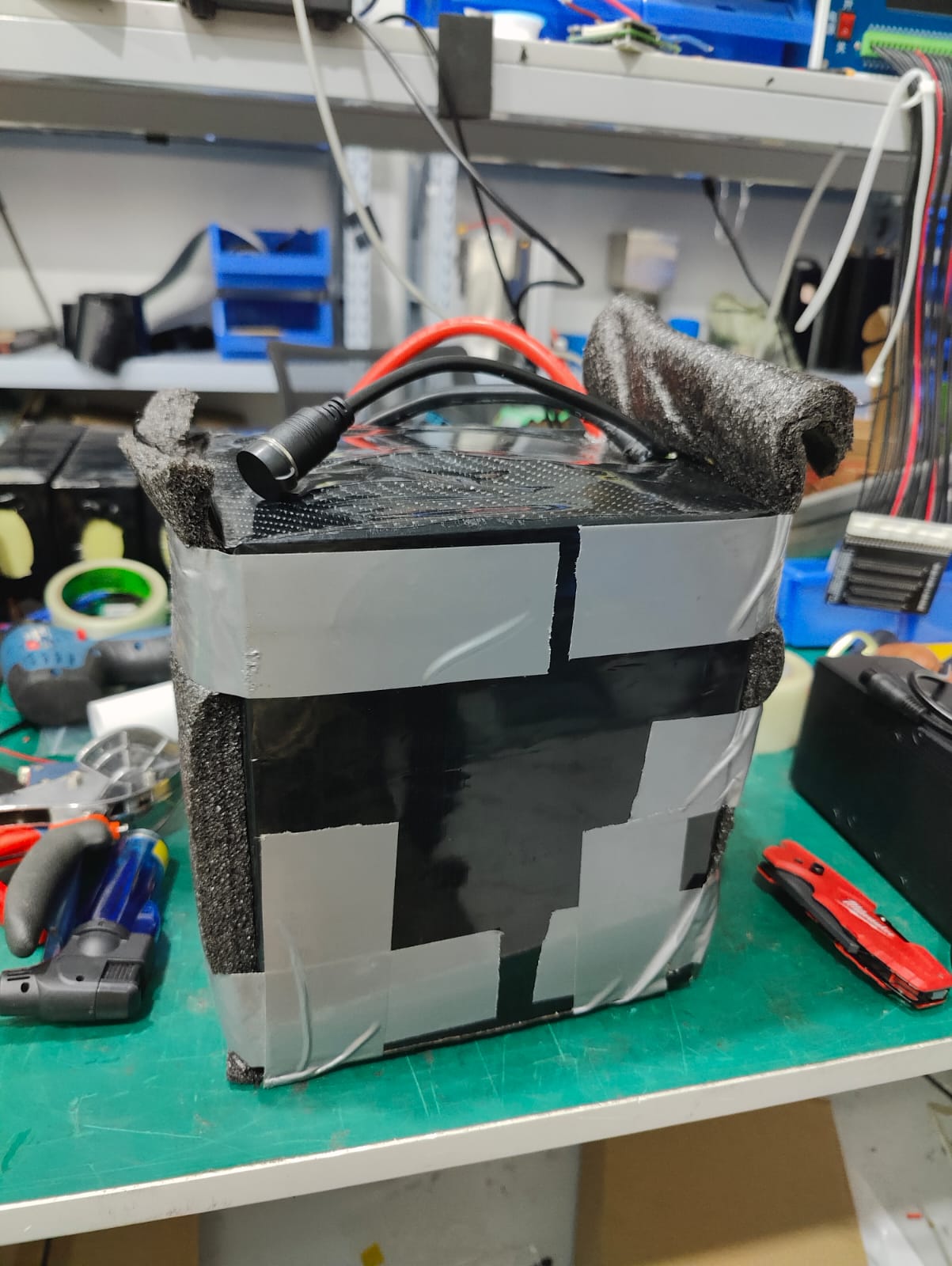
Aiyo bro, screwdriver emoji is not a certificate. Don’t press, open or poke a suspect pack. Don’t touch or sniff it to check. Opening it still leaves the rider without a proper diagnosis.
Photos are useful when they record what changed: the gap, lifted wrap, stain, connector area or damaged case. Their limit matters just as much. A photograph can document a clue and help the maker decide what information is needed next; it cannot clear the pack for use.
What now
Keep the message simple when contacting the maker or authorised service provider: say what changed and send photographs from outside the pack. Do not turn the call for help into a transport plan before asking what to do.
Stop
Stop using it and stop charging it.
Leave it alone
Don’t press it, open it or poke it to check. Don’t touch or sniff it to check.
Ask first
Get advice from the maker or authorised service provider.
Don't move a damaged pack yourself
Don’t ride with it, courier it or carry a hot, leaking or damaged pack to a shop. Ask the maker or authorised service first.
995
Smoking or on fire?
Raise the alarm, get out and stay out, then call 995. Don’t stop to film it, unplug it or carry it through the house.
Sources (3)
Read when there is no emergency