IN SHORT
- Don’t repack a dead pack. It died for a reason.
- An extinguisher buys time; it won’t put a lithium battery out. Short bursts, then water.
- Hissing, smoking or heating up on its own: if it’s safe, get it out into the open, never into a lift, then stay away and call 995.
We’ll start with the one that was our fault
We’ve had three battery fires up close. One at home, one on the road, one in a friend’s corridor. Each time there was about a minute where what we did decided whether it ended as a burnt battery or a burnt flat.
One of the three was our own doing. We’re starting with that one, because it’s the reason we say what we say about repacking dead batteries. A shop that tells you it never got anything wrong isn’t telling you the truth. Here are all three, mistakes included, and what we’d want you to know before your minute comes.
End of 2021: the pack I shouldn’t have built
This one’s on me.
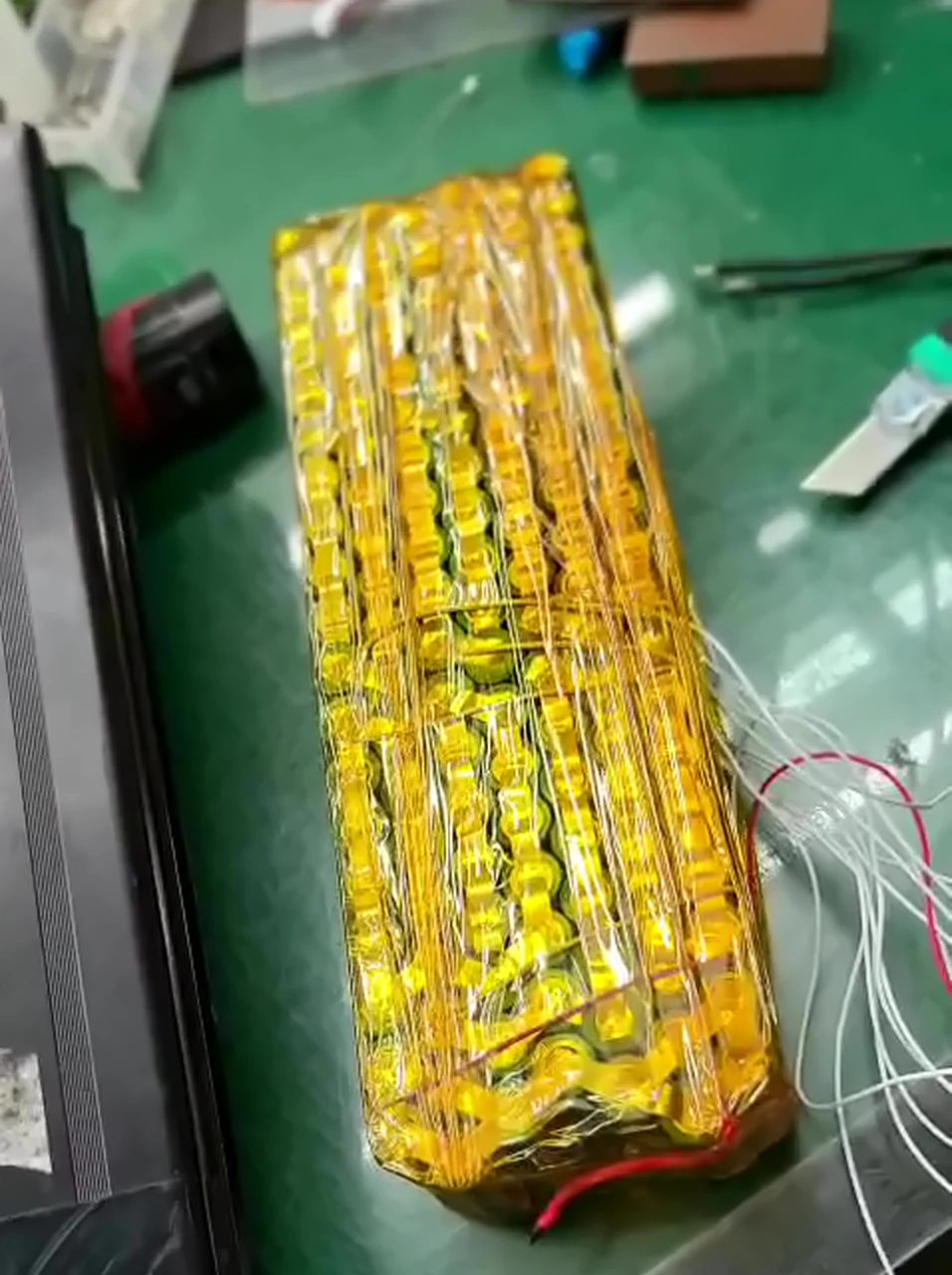
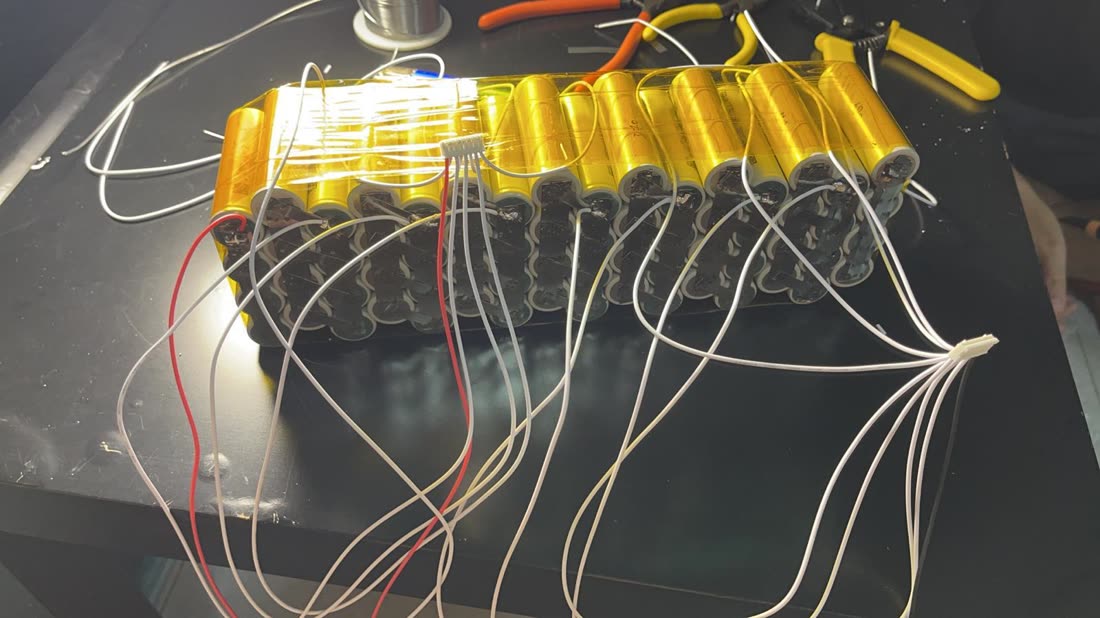
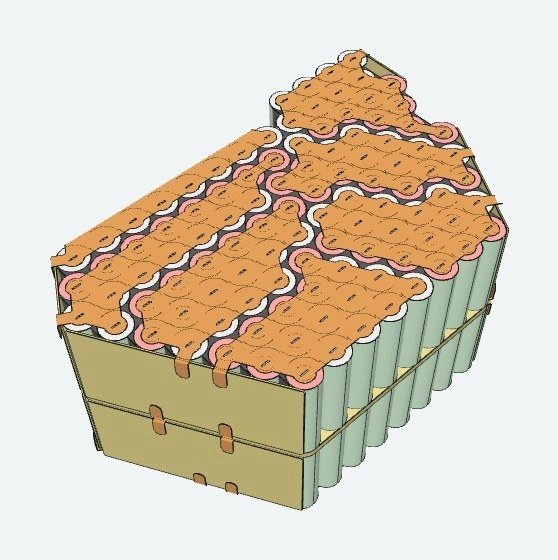
A friend brought me a dead 60V 16S8P pack of LG MJ1 cells, the kind you can pick up off Carousell for about $100. He wanted it rebuilt into a 72V. He needed a battery to start his food-delivery shift, and he needed it fast.
I seriously told him not to. But he was struggling for money and he needed help, so I did the job anyway. Big mistake.
At first the cells seemed fine. Two rows were dead; the rest were still alive. I tested each group before taking it apart, pulled the cells out one by one, and rebuilt it smaller: 72V, 20S6P, adding eight cells of similar capacity I had lying around.
BMS wired up, first full charge. It got stuck at about 80%, around 78 to 79 volts, and refused to go any higher. I didn’t think too much about it. The pack felt a little warm. I didn’t think too much about that either, and left it alone for a while.
When I came back, it was noticeably hotter. That’s when I got a bit worried. But I was a run-of-the-mill home builder then, and I didn’t know better.
A few minutes later I felt heat on the left side of my body. Turned around: the pack was letting off a thin whisper of smoke. I touched it. Boiling hot.
Towel around it, dragged across the floor and out of the flat. Then I did the stupidest thing of all: I pressed the lift and took the battery down with me. Twenty seconds in a closed box with a pack that was already smoking. Looking back, that was leaving my fate to the grim reaper and hoping he said “trust me bro”.
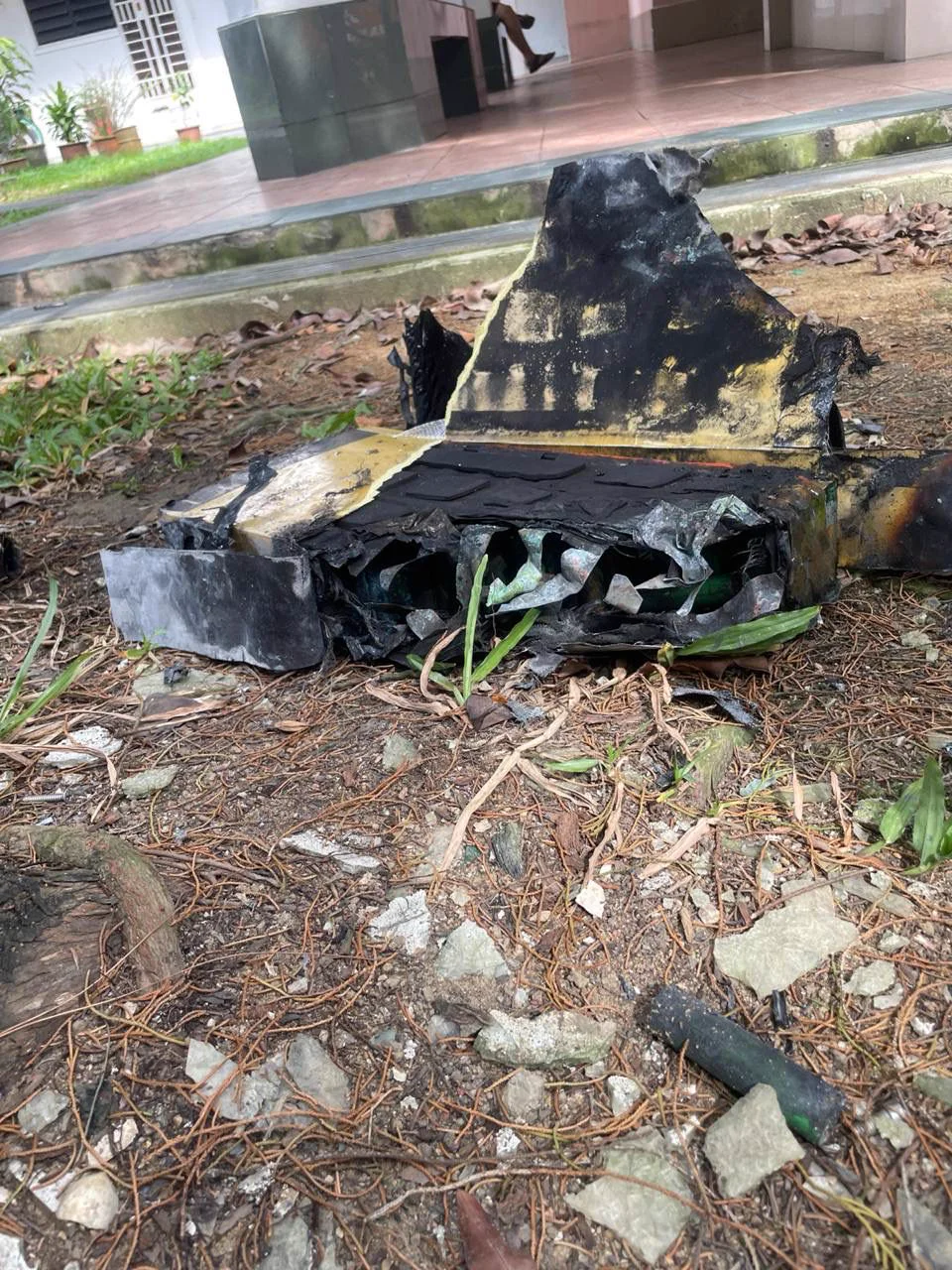
I left it on an empty grass patch. About two minutes later, it started flaming up. Then it exploded and burned, out there on the grass, not in my flat.
What I learned:
- Saying no is part of the job. I knew it was a bad idea and built it anyway. A friend in a rush is exactly when the answer should stay no.
- A charge that stalls is a stop sign. Stuck at 80% and refusing to go higher, then warm, then hotter: every one of those was the pack telling me to stop.
- Never take a smoking battery into a lift. If it goes off in there, you’re trapped in a closed box with it. Get it out into the open on your own floor, away from doors and the stairs, and take the stairs yourself.
- The grass patch was the right place. Open ground, nothing around it that could burn.
Why repacking a dead pack was never a good idea
That night is why we’re blunt about repacks. Taking the cells out of a dead pack and building them into a new one looks like a cheap fix. Our read, from that night and from what we’ve seen since:
- A dead pack died for a reason. Two dead rows meant something had already gone wrong in there, and the “alive” cells went through the same thing.
- Testing a cell tells you its voltage today, not its history. It doesn’t tell you what those cells lived through before they reached your bench.
- Mixing in spare cells makes it worse. Cells in one pack should match. Eight cells “of similar capacity” from a drawer are not a match.
- A rush job is the worst time to decide. Somebody needs it by tonight, so the warning signs get a “nothing lah, should be okay”.
It’s one of the things we changed after that night: we don’t reuse cells from dead packs anymore. Every custom pack we build uses new cells only. If someone offers to repack your dead battery cheap and fast, now you know what that can look like.
2020: the scooter that went off twice
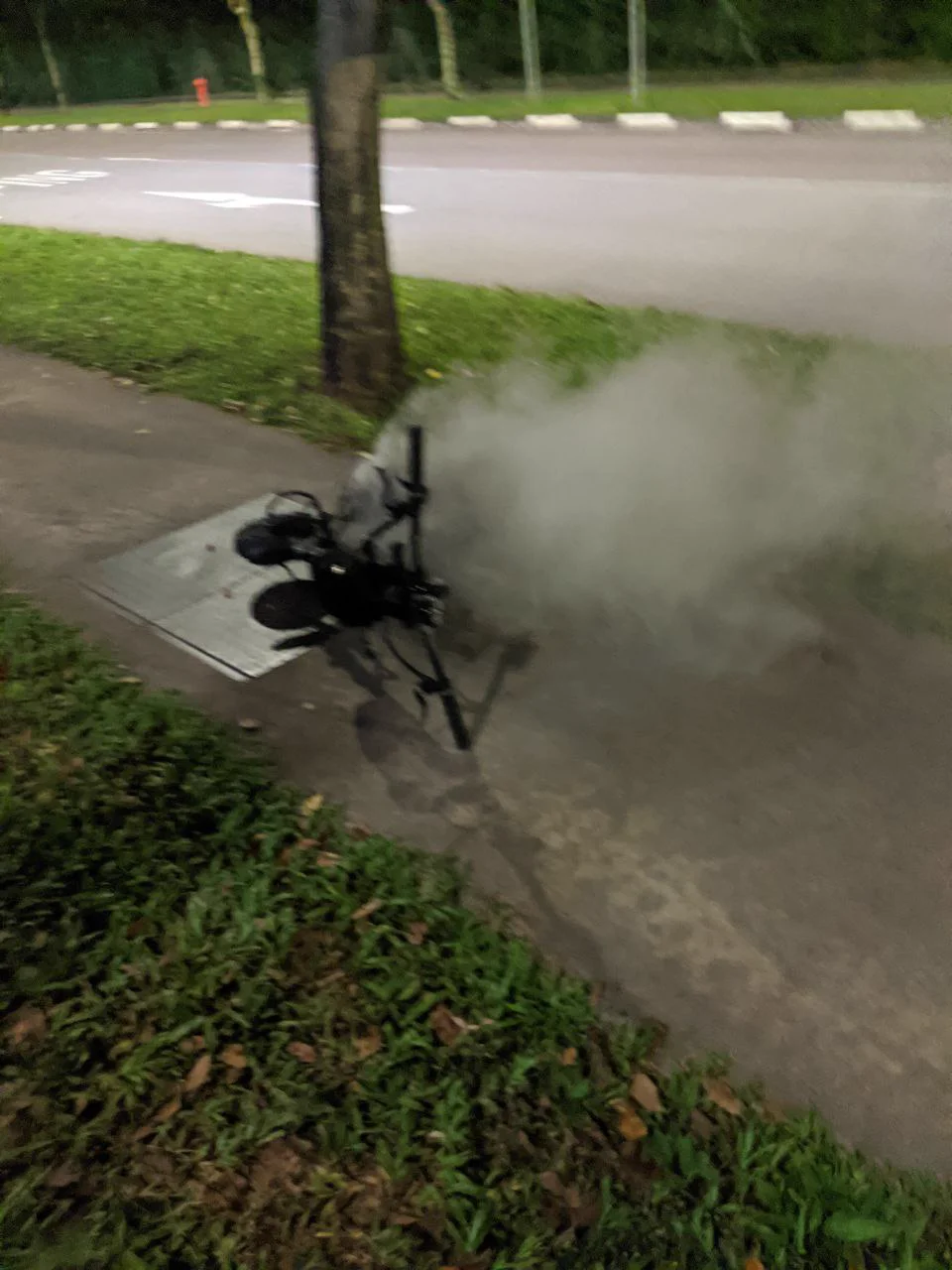
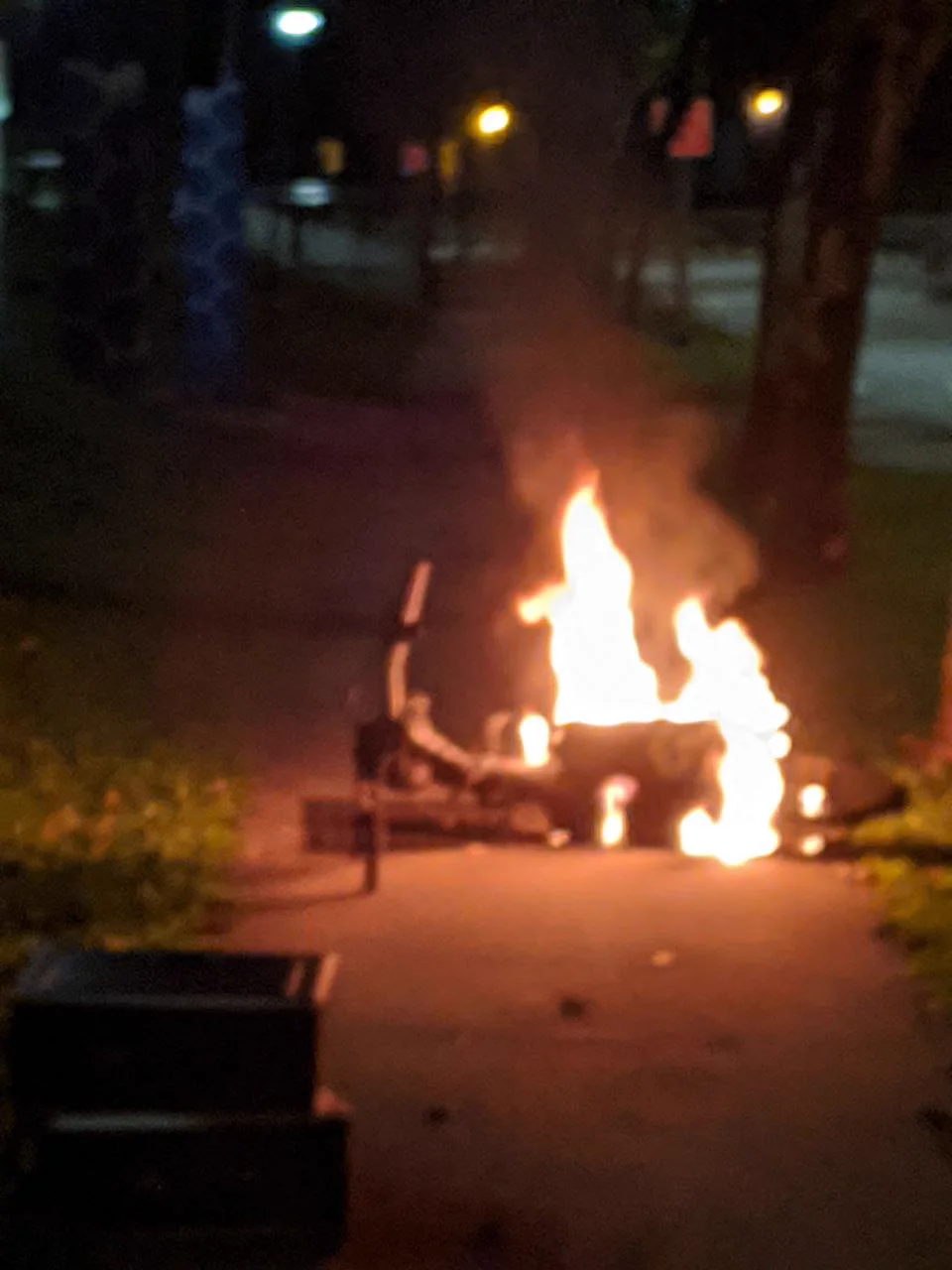
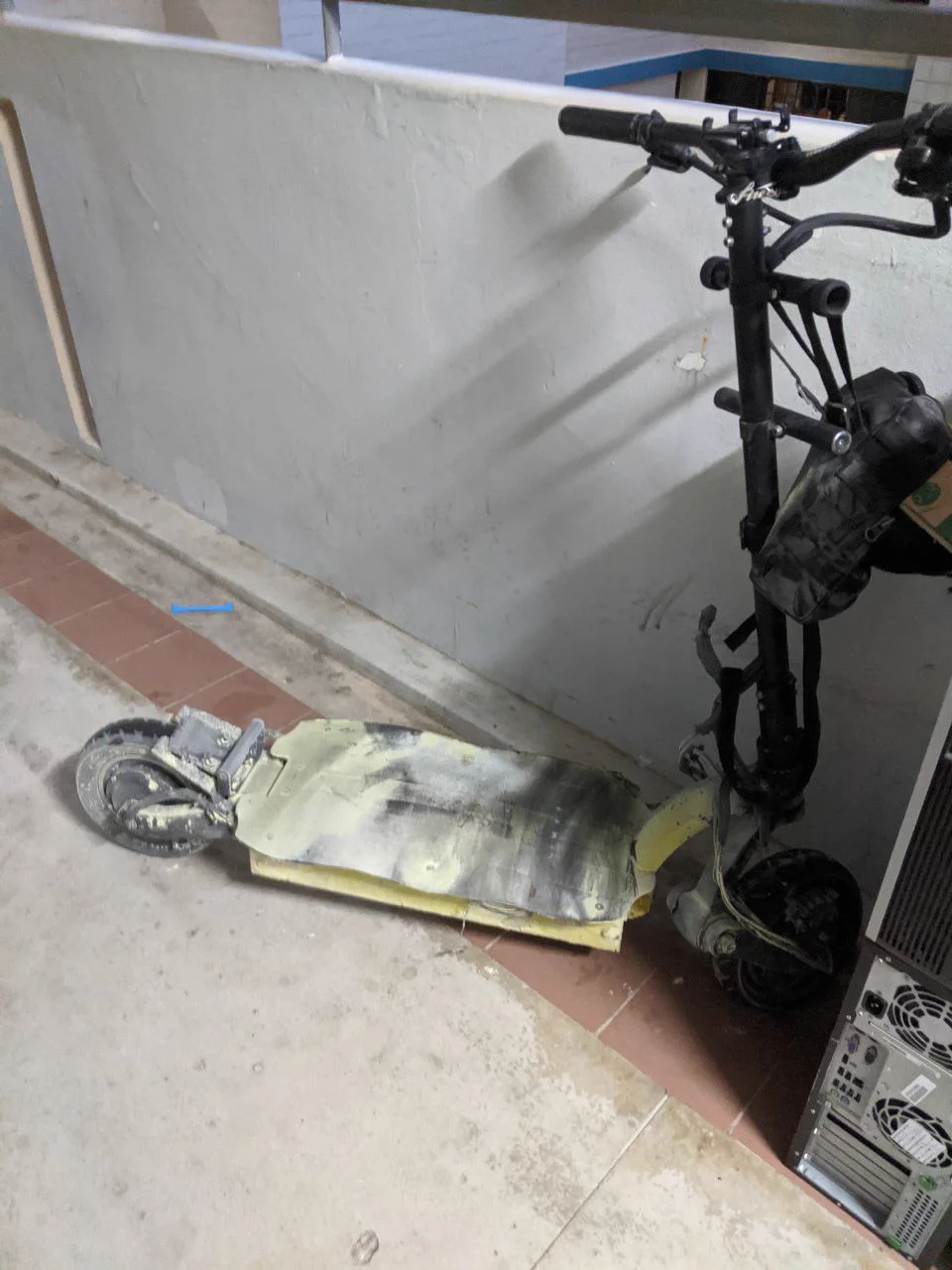
I bought a used Dualtron Ultra off Carousell: secondhand, not from Dualtron. The seller said it was a 72-volt battery and gave me a 72-volt charger with it. Main battery in the deck, plus a small 12-volt pack on the stem that looked wired in series as a booster.
First day, everything felt damn good and damn powerful. Then the battery ran flat and I brought it home to charge. While it was charging, the charger light kept flicking red, green, red, green, like Christmas lights. I didn’t think too much about it.
Next ride, two minutes after bringing it down the lift, halfway to Woodlands Mart, the scooter died. I heard a small crack. Looked down: a tiny puff of smoke coming out of the deck.
First time this ever happened to me. For a moment I didn’t know what to do. Then I got my head together. Cargo off. Pushed the scooter away from the trees, into the middle of the pavement.
About a minute later: a deafening bang, sparks flying everywhere, and the scooter was on fire. Then the fire seemed to die down by itself.
It didn’t. I was walking over to see what I could salvage when it went off again. Second round.
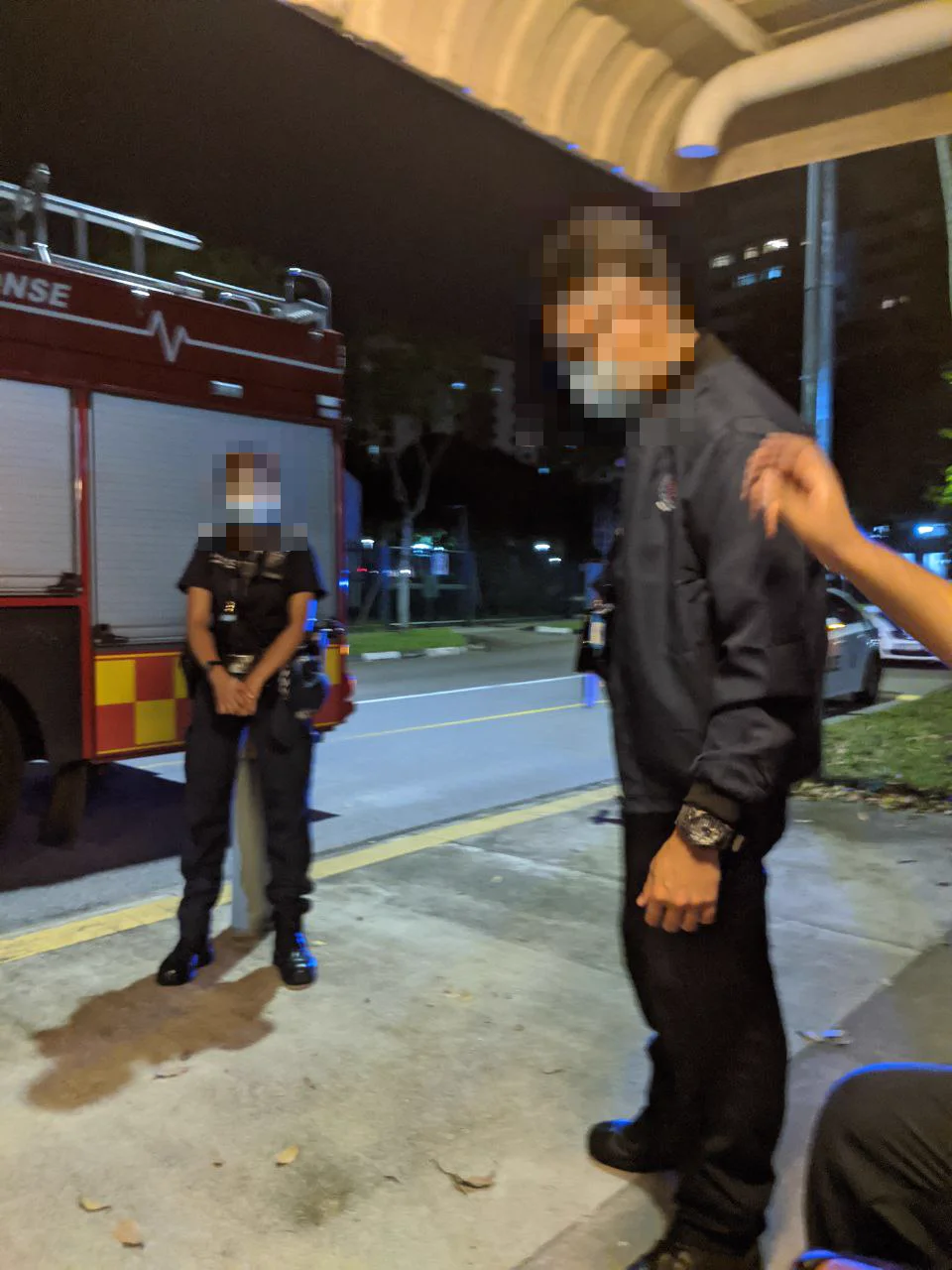
Some passers-by called SCDF. I could only stand there and watch it burn. When the firefighters arrived, one of them came over with a really big extinguisher and sprayed it down, but by then the battery had nothing left to give. They were about to bring the foam down when the officer in charge said no need. SCDF and the police called LTA in. They talked about uplorrying the scooter on the spot, then decided there was nothing left to uplorry. Told me to bring it home and learn my lesson.
What I learned:
- The charger was the first warning. A charger light flicking between red and green while charging is not a light show. Stop charging and get the pack checked.
- A secondhand pack with something extra wired onto it is a question mark. The “72V” claim and that booster pack on the stem came from the seller, not from Dualtron, and nobody had checked them.
- It looked out. It wasn’t. A lithium battery can flare up again after it seems to stop. Once you’ve moved it, don’t walk back to it.
- Getting it away from the trees was the right call. Open ground, nothing around that can catch.
2022: the extinguisher we couldn’t find
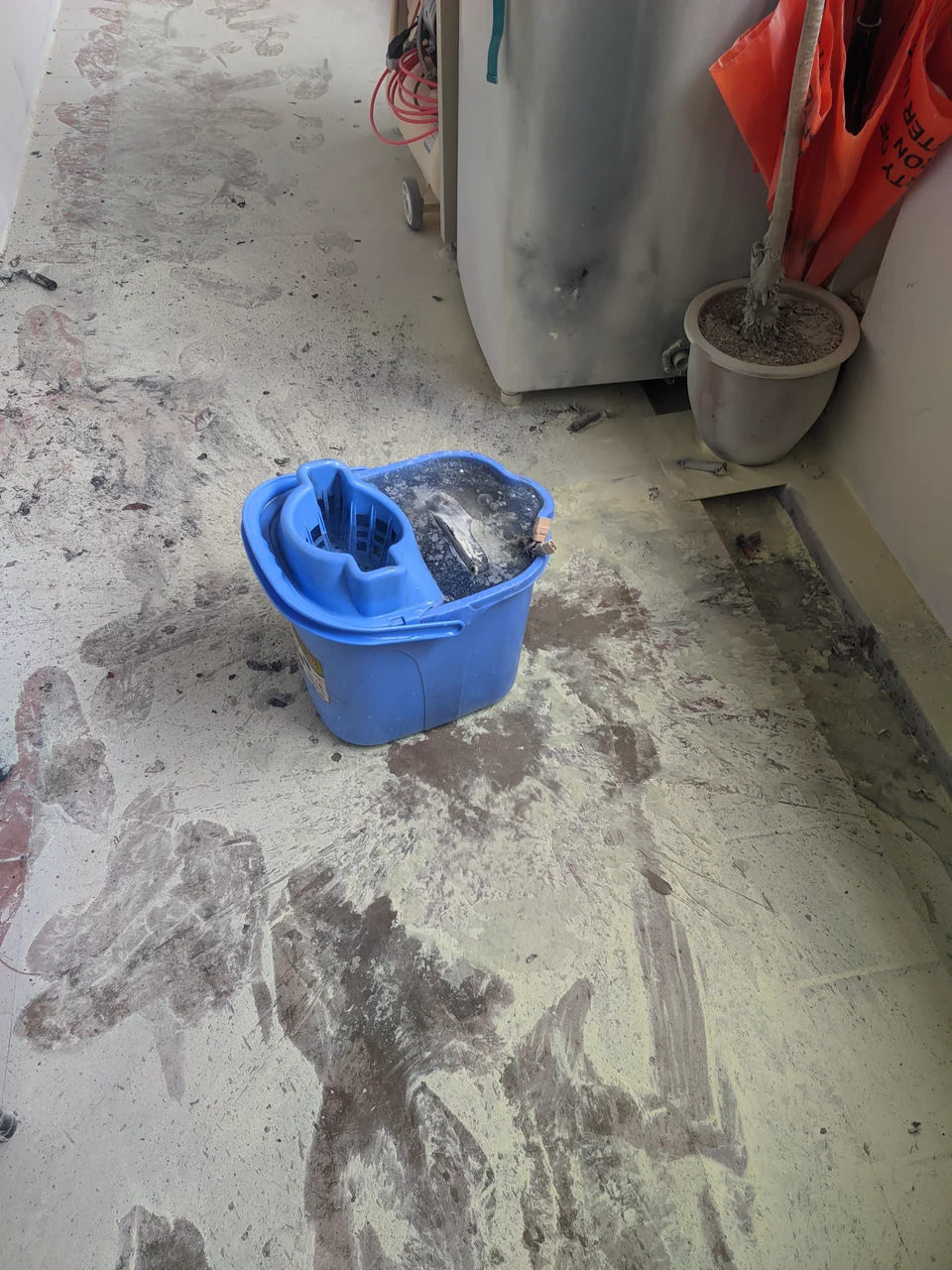
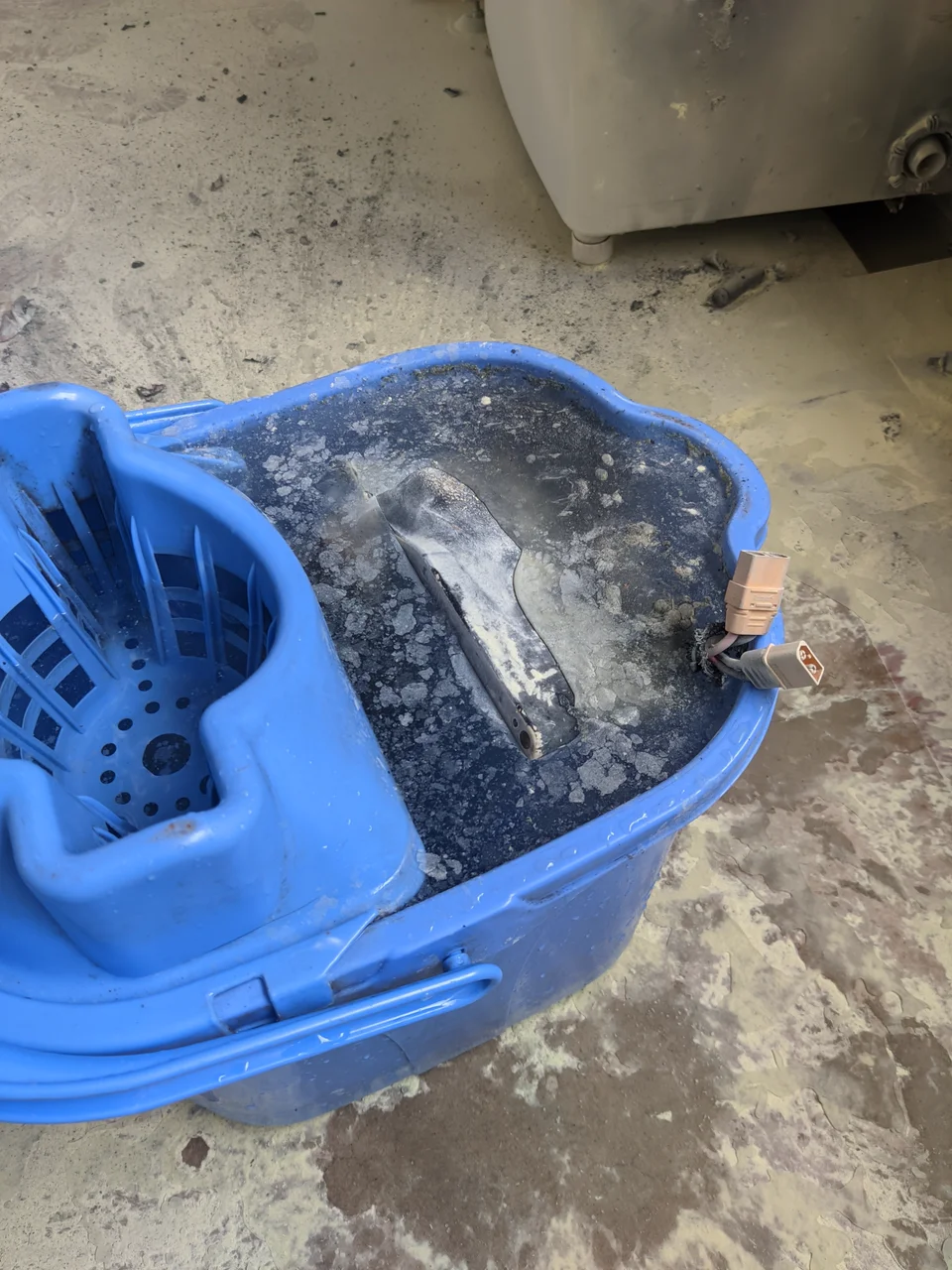
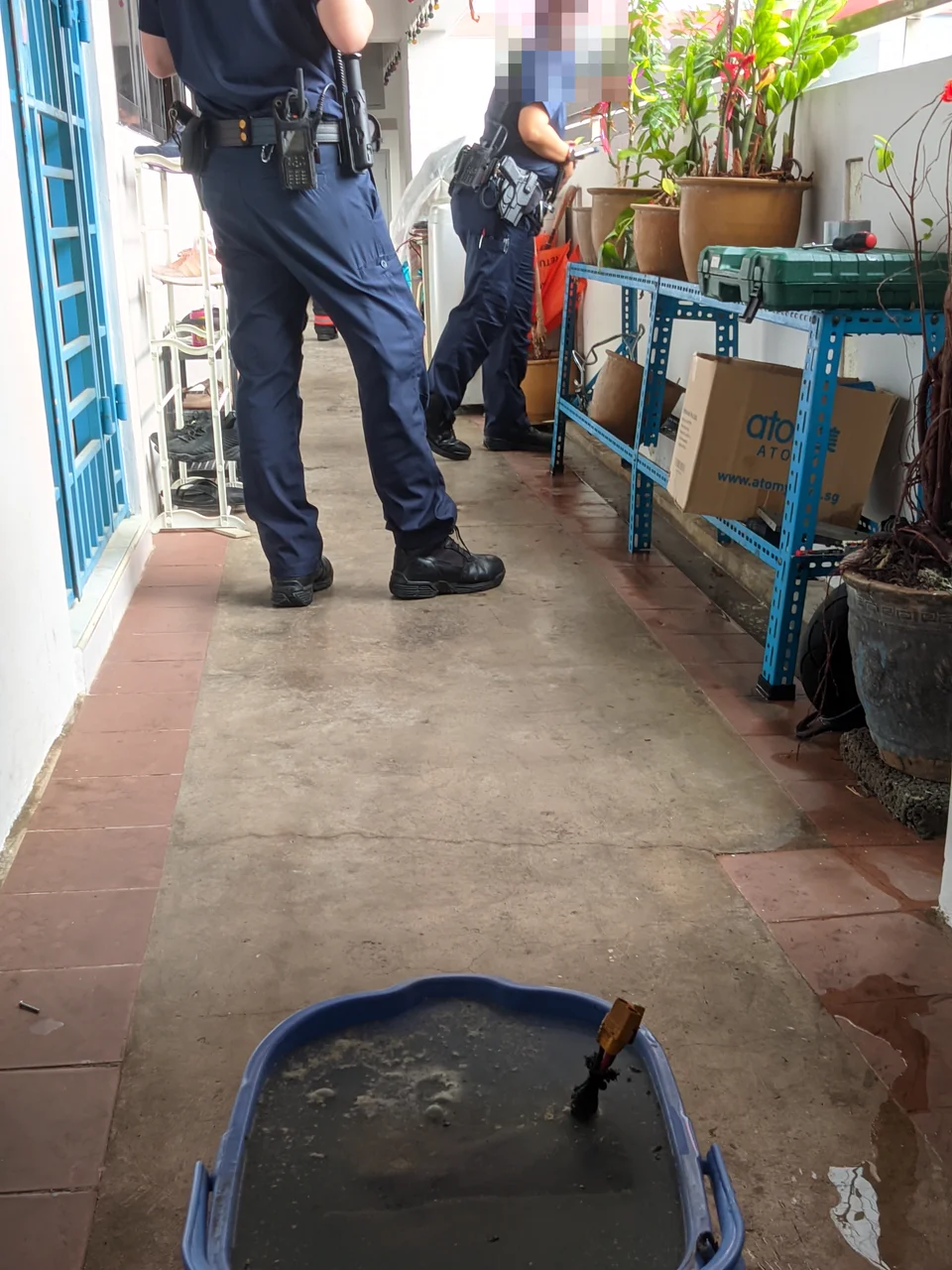
March 2022, Woodlands. A friend and I were home-based battery builders, just starting out, working out of his flat. He’d taken in a 60V 28Ah PMA battery as a trade-in, built by Fabulous, a battery builder that has since shut down and is no longer in the business. We shared it around for a while. Eventually it died.
We were lazy. Instead of opening it up to check, we left it in the corridor. Nothing happened for two days.
On the third day we were in his room playing games when his mum started banging on the door, shouting, “Fire! Fire! Fire!” We got the shock of our lives. We’d been making serious safety improvements to our own batteries. How got fire?
We walked out and looked down the corridor. The PMA battery was in flames.
I scrambled to find the fire extinguisher. We had a 5 kg one, tucked away in a corner nobody looked at. Finding it cost us at least a full minute. By then the battery was blazing.
I grabbed it and held the trigger down, spraying non-stop while my brain tried to catch up. Foolish mistake. In less than half a minute, the pressure gauge had dropped by more than half.
So I switched to short bursts, and shouted at my friend to fill a bucket with water. Then I just watched the battery. Every time it flared up again, a burst to knock it down. Wait. Again. Rinse and repeat.
About a minute later the bucket came. I reached for the battery with my bare hand. Halfway there, it flared up again. Big mistake. I shouted for a cloth, dunked it in the bucket. The extinguisher was almost empty, so I gave it one last long spray, then grabbed the battery with the wet cloth in both hands and dumped it into the bucket.
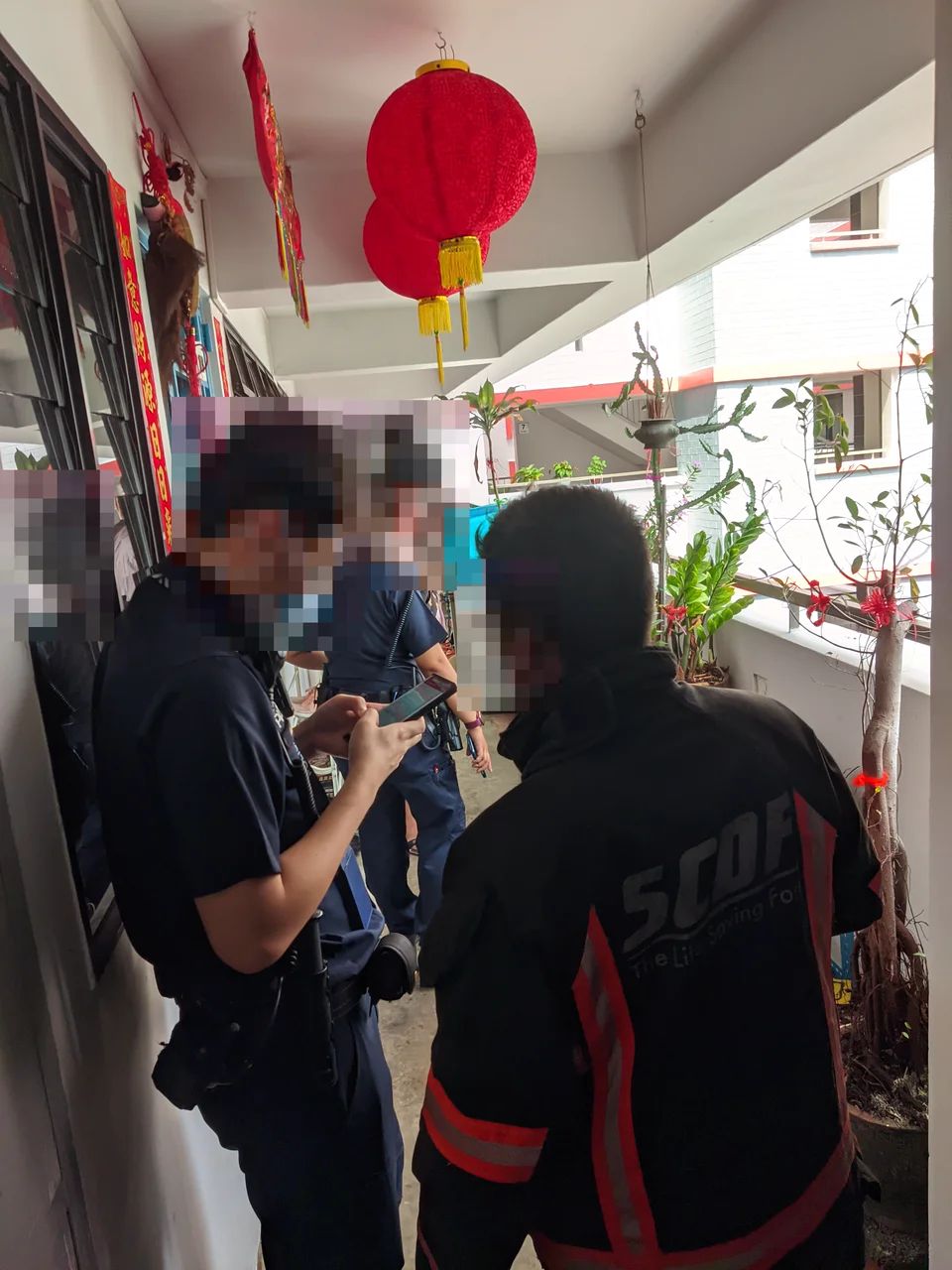
SCDF and the police came up after that. By then, the pack was sitting in the bucket.
What I learned:
- Know where your extinguisher is. A minute searching is a minute the fire gets for free.
- Don’t hold the trigger down. A 5 kg extinguisher lost more than half its pressure in under thirty seconds. Short bursts keep it going until water comes, help comes, or everyone is out.
- An extinguisher doesn’t put out a lithium battery fire. It kept knocking the flames down, and they kept coming back. The cells keep heating, because a lithium-ion battery in thermal runaway makes its own oxygen.
- Water is what actually works, because it cools the cells. Fire-safety guidance says lithium-ion fires are normally only brought under control with copious amounts of water, sometimes for hours or days.
- Never reach in with bare hands. It flared up while my hand was on the way.
- A dead pack is not a safe pack. Ours sat in the corridor for two days, then caught fire. And the corridor is everyone’s way out.
What the three had in common
None of them was a new pack, built properly and charged with its own charger. One was a dead pack we repacked. One was a secondhand scooter with a seller’s “72V” story and a booster wired onto the stem. One was a trade-in that had already died. That’s the pattern we’d want you to see before it’s your turn.
What to do with your minute
Before it happens. Know where your extinguisher is, and that it’s not buried in a corner. Know where you’d fill a bucket. Don’t charge a pack at your door or in the corridor, and don’t leave a dead or suspect pack lying around there either.
Warning signs (charger acting strange, swelling, a smell, heat): stop using it and stop charging it. Don’t press it, open it or poke it to check. Send us clear photos, or ask the maker or authorised service.
Hissing, smoking, or getting hotter on its own: you may have about a minute. If it’s safe to do so, get it out of the flat fast: drag it in a fire blanket or a towel, or push it with a broom handle, never carried against your body. Put it in the open, away from your door, the stairs and anything that can burn. Never take it into a lift: if it goes off in there, you’re trapped with it. Take the stairs yourself. Then keep everyone away and call 995. It can go minutes later, and it can go twice.
On fire: raise the alarm and call 995. If you can do it without putting yourself or anyone else in danger, use the extinguisher in short bursts to keep it down while people get out or water arrives. It won’t put the battery out. Water cools it. Never reach in with bare hands. If you can’t do it safely, don’t try: get out, close the door behind you if you can, stay out.
On the road: stop, get your stuff off, and push it to open ground away from trees, people and anything that can burn. Step well back, call 995, and don’t walk back to it.
After: a pack that’s burned stays in a bucket of water for 24 hours, and we change the water about every hour so it keeps cooling, until it has no fight left. When it goes for disposal, tell the collector it’s a burnt pack before anything moves.
Three fires, no burnt flats. Some of that was quick thinking, some of it was luck, and one of them we should never have caused. We’d rather you hear that from us, with what we learned, than pretend it never happened. If you’re not sure you can do any of this without getting hurt, don’t. Get out and call 995. A flat can be repaired. You can’t be replaced.
Sources (4)
Related: Battery smoking? Phone can wait, get out
Not sure about your pack?
Send us clear photos first. Don’t bring a damaged pack in.